10 Best Tips on How Much to Spend on Car Upgrades?

Time:2026-06-01 Author:Oliver
0%

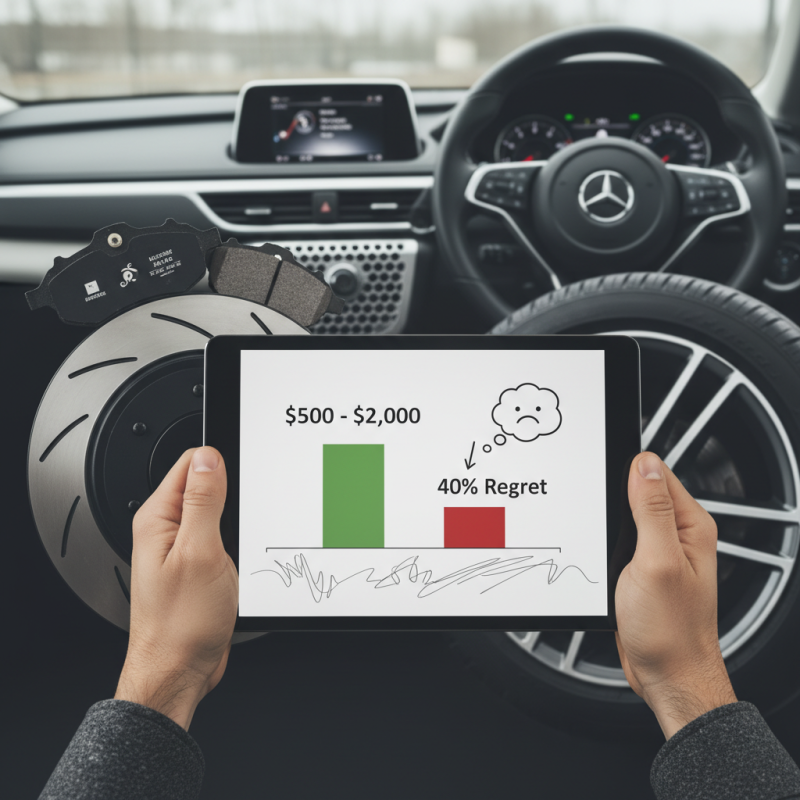
Upgrading your car can be a thrilling experience. However, there’s a critical question: "how much should you spend on car upgrades?" According to a recent report from the Automotive Aftermarket Industry Association, car owners invest about $500 to $2,000 annually on upgrades. This range varies widely depending on personal preferences and vehicle type.

When considering upgrades, it’s vital to assess necessity versus desire. A study from Consumer Reports reveals that performance enhancements could yield valuable benefits. Yet, nearly 40% of car owners regret overspending on unnecessary features. Choosing upgrades wisely can enhance safety, comfort, and resale value.

Budgeting for car upgrades should reflect both your financial situation and the intended benefit. While some drivers may benefit from premium sound systems, others might find more value in reliable brake pads. Reflecting on actual needs helps to avoid impulsive purchases that lead to buyer’s remorse. Upgrades can be rewarding, but making informed choices is essential for both satisfaction and fiscal responsibility.
10 Best Tips on How Much to Spend on Car Upgrades?

Factors to Consider When Budgeting for Car Upgrades

When budgeting for car upgrades, several factors come into play. Start by evaluating your vehicle's current condition. Is it running smoothly? Assessing engine reliability and tires is vital. If major repairs loom, prioritizing upgrades might not be wise. Consider your driving habits too. Frequent long-distance travel may justify investing in performance enhancements.


Next, analyze your financial situation. Set a realistic budget that won’t strain your finances. Upgrade costs can vary significantly, so compare prices carefully. It’s easy to overspend, particularly on cosmetic modifications that may not add value. Think about the potential return on investment. Will the upgrades improve resale value?


Lastly, community input can be invaluable. Seek advice from forums or local car clubs. Experiences shared by others can guide your decisions. Sometimes, peer suggestions help avoid common pitfalls. Reflecting on what you truly need versus wants can also refine your choices. A methodical approach ensures practical upgrades that genuinely enhance your vehicle experience.

Setting a Realistic Budget Based on Your Vehicle's Value

Upgrading your car can enhance its performance and aesthetics. However, setting a realistic budget based on your vehicle's value is crucial. Start by assessing your car's current worth. Research its market value online to avoid overspending. If your car is older, a lavish budget might not be practical.

Consider the purpose of your upgrades. Are you aiming for better performance or a stylish look? Each goal might require a different investment level. For basic enhancements, like new tires or better lighting, plan for a smaller budget. If you wish for significant changes, such as a new sound system or suspension upgrades, be prepared to allocate more funds.

Reflecting on your upgrades will help. Are you investing wisely? Will these changes add value to your car? Remember, the money spent should reflect its potential resale value. Sometimes, it’s better to save for a newer model rather than pouring too much into an older vehicle. Achieving balance is key.

10 Best Tips on How Much to Spend on Car Upgrades? - Setting a Realistic Budget Based on Your Vehicle's Value

Upgrade Type Recommended Spend (%) Estimated Cost ($) Impact on Value
Performance Enhancements 10-20% 500 - 2000 High
Audio System Upgrade 3-5% 150 - 500 Moderate
Exterior Styling 5-10% 250 - 1000 Varies
Interior Comfort 5-15% 300 - 1500 Moderate
Safety Features 5-10% 250 - 1000 High
Tires and Suspension 10-15% 500 - 1200 High
Technology Upgrades 2-5% 100 - 500 Low
Paint and Bodywork 5-15% 300 - 1500 Varies
Fuel Efficiency Upgrades 5-10% 250 - 1000 Moderate
Lighting Upgrades 2-5% 100 - 400 Low

Prioritizing Upgrades: Essential vs. Optional Enhancements

When considering car upgrades, it's crucial to prioritize effectively. Essential enhancements significantly improve performance and safety. A study by the Insurance Institute for Highway Safety (IIHS) shows that upgrading tires can reduce accident rates by 15%. Additionally, quality brakes enhance vehicle control and decrease stopping distances. Skipping these upgrades can lead to safety risks, especially in adverse conditions.

On the other hand, optional upgrades often focus on aesthetics or luxury. Features like custom seats and flashy rims may enhance visual appeal but do not contribute to functionality. According to a report by Edmunds, these upgrades can cost over $3,000 but may not provide a return on investment. Assessing the tangible benefits of such enhancements is vital. They may also distract from more pressing upgrades that improve driving experience and safety.

Balancing essential and optional upgrades can be challenging. Many car owners might focus on appearance, overlooking crucial mechanics. Reflecting on personal needs and driving habits can guide these decisions. Investing in safety and performance should take precedence to ensure a well-rounded upgrade strategy. Ultimately, aligning upgrades with your car’s overall purpose will lead to better satisfaction and usability.

Researching Costs: Getting Estimates for Desired Upgrades

When considering car upgrades, understanding the costs is essential. Start by researching online. Various websites provide estimates for different upgrades. Check forums and discussion boards for real-world experiences. Engage with the community; you might find better deals or advice.

Getting multiple quotes is prudent. Contact local shops and mechanics for estimates. Many offer free consultations. This approach helps you gauge the average market rates. Be cautious, though. Sometimes, cheaper quotes may mean subpar quality. Aim for a balance between quality and price.

Do not forget hidden costs. Installation fees or additional parts can inflate your budget. Ask detailed questions to avoid surprises. It’s also wise to reflect on your needs. Are these upgrades necessary for performance? Or are they just for aesthetics? Evaluating your priorities can save money in the long run.

Evaluating Long-Term Benefits of Car Upgrades vs. Initial Costs

Upgrading your car can be a tricky decision. Understanding the long-term benefits of upgrades versus initial costs is crucial. For many drivers, the primary goal is to improve performance and comfort. However, this can't come at any cost.

When considering a car upgrade, think about how it will enhance your driving experience over time. A new sound system, for example, can provide daily joy. However, it may not significantly increase the vehicle's value. On the other hand, investing in quality tires contributes to safety and extends the life of your car. Durable tires enhance performance, which may lead to savings on repairs.

Consider these tips when evaluating costs:

  • Set a realistic budget
  • Prioritize upgrades that offer safety benefits
  • Assess if the upgrade aligns with your long-term goals
Furthermore, always research potential upgrades before diving in. Not all enhancements add value or enjoyment in the long run. Reflect on your driving habits. Some upgrades may promise thrill but don’t suit everyday needs. Investing wisely will ensure that your upgrades yield the best returns, enhancing your car's longevity and your overall experience.

FAQS

: What should I prioritize when upgrading my car?

: Focus on essential enhancements like tires and brakes. They improve safety and performance significantly.

Why are essential upgrades important?

Essential upgrades reduce accident rates and enhance vehicle control. They are crucial for safe driving, especially in adverse conditions.

What are some examples of optional upgrades?

Optional upgrades include custom seats and flashy rims. They improve aesthetics but don't enhance functionality.

Can optional upgrades be a waste of money?

Yes, many optional upgrades may cost over $3,000 but don’t provide a good return on investment.

How can I ensure my upgrades meet my needs?

Reflect on your personal driving habits and needs. Align upgrades with your car’s purpose to enhance satisfaction.

What is the long-term value of certain upgrades?

Quality tires and durable components enhance safety and can lead to savings on repairs over time.

Can I improve my driving experience without overspending?

Yes, prioritize upgrades that contribute to safety and align with long-term goals to avoid unnecessary costs.

How should I evaluate the costs of car upgrades?

Set a realistic budget, research upgrades, and prioritize those that improve safety and performance.

Are all upgrades worth it?

No, not all enhancements add value or joy. Some may promise excitement but are impractical for daily use.

What can happen if I skip essential upgrades?

Skipping essential upgrades can lead to increased safety risks and may affect driving performance negatively.

Conclusion

When considering how much should you spend on car upgrades, several key factors come into play. First, it's essential to evaluate your vehicle's current value and set a realistic budget that reflects this. Prioritizing upgrades is crucial; distinguish between essential enhancements that improve safety and performance and optional features that may enhance comfort but are not necessary.

Researching the costs of desired upgrades will provide a clearer picture of what fits within your budget, while also considering the long-term benefits versus initial expenses. By carefully weighing these aspects, you can make informed decisions that enhance your vehicle without overspending and ensure that each upgrade adds value to your driving experience.

Oliver

Oliver

Oliver is a seasoned marketing professional with a wealth of expertise in driving brand awareness and engagement. With a deep understanding of our company's product offerings, he consistently delivers high-quality content that enriches our professional blog. His insights not only shed light on......