When contemplating a truck upgrade, it's crucial to address what should you consider before upgrading your truck. According to industry reports, the average lifespan of trucks is about 15 years. However, many drivers keep their vehicles much longer, potentially leading to costly repairs. This raises questions about reliability and safety.
Fuel efficiency is another significant aspect. A report by the U.S. Department of Energy states that upgrading to a newer model can improve fuel economy by 30%. This could mean substantial savings in the long run. Yet, some buyers overlook additional costs, such as insurance and financing.
Upgrading isn't just a financial decision; it reflects your needs. Are you using your truck for work, leisure, or both? Understanding your primary purpose will guide your choice. Mistakes can happen if you rush; selecting the wrong model could lead to dissatisfaction. The right approach combines research and self-reflection, ensuring your upgrade aligns with your lifestyle.
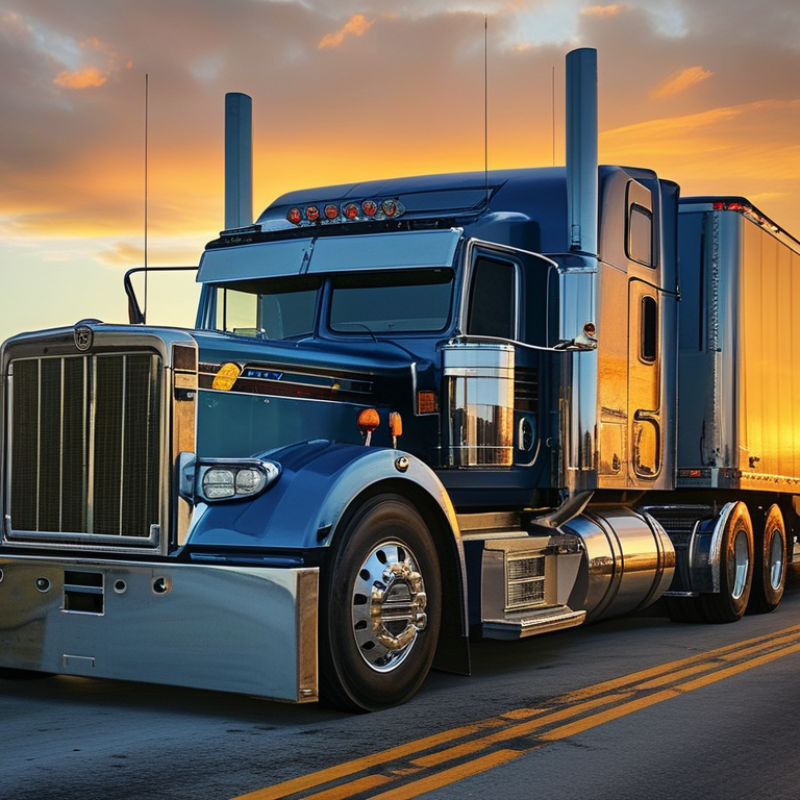
Factors to Evaluate Your Current Truck Performance
Before deciding to upgrade your truck, it's vital to assess its current performance. Begin by evaluating the engine's efficiency. Check the fuel consumption and listen for any unusual sounds. Simple indicators can reveal underlying issues that may need addressing rather than an upgrade.
Next, examine the overall handling and ride comfort. If your truck struggles on rough terrain or feels unsteady, it might not solely be a question of age. Inspect the suspension and tire condition closely. These factors can significantly influence your driving experience and safety. Pay attention to how the truck feels on long drives as well.
Finally, reflect on any maintenance history. Have repairs become frequent? Are the costs surpassing the benefit of keeping the old truck? Consider how much time and money you've invested. Upgrading may seem appealing, but ensuring your current truck can still serve your needs is critical. A thorough evaluation will help you make a well-informed decision.
Budget Considerations for a Truck Upgrade
When considering a truck upgrade, budget is a crucial aspect. A typical new truck purchase can cost anywhere from $30,000 to $60,000. You might also face additional fees for taxes and insurance, which stack up quickly. Many buyers overlook these costs. It’s essential to analyze your current budget thoroughly. A detailed budget can reveal if you can afford a new truck without stretching your finances too thin.
Financing options play a significant role in upgrading your truck. The average loan term for trucks is approximately six years. Monthly payments can add considerable pressure to your cash flow. Data shows that people often underestimate ongoing maintenance costs. These can add roughly $1,000 annually for repairs and servicing on average. An unexpected breakdown can disrupt your plans and finances. Before upgrading, assess your historical maintenance expenses to set realistic expectations.
An upgrade may seem appealing, yet it poses risks. You might want more features, but do these fit your budget? Check how long you plan to keep the truck. If you only need it for a short period, it may not be worth a hefty upgrade. Explore all available options. A slightly used truck could offer better value without compromising quality. Reflect on your actual needs versus wants. This reflection can prevent potential regret after the purchase.
Assessing New Features and Technologies in Trucks
Upgrading your truck can be an exciting decision. It's essential to evaluate the new features that modern trucks offer. New technologies can enhance performance, safety, and comfort. Items like advanced driver-assistance systems could prevent accidents. Additionally, fuel efficiency technology can save you significant money in the long run.
Consider how these features align with your specific needs. If you frequently tow heavy loads, look for trucks with powerful engines and towing capabilities. Those who drive in urban environments might prioritize features that improve maneuverability and parking assistance. It's about finding the right balance for your lifestyle.
Tips: When assessing new technologies, test drive different models. This helps you experience the features firsthand. Make a list of your priorities—whether it’s safety, efficiency, or tech features. Evaluate whether these upgrades are truly necessary for your driving habits, or if they are simply enticing novelties. Stay informed by reviewing expert opinions on the latest truck technologies, but also trust your gut feeling after experiencing them yourself.
Understanding Your Specific Needs and Use Cases
When considering a truck upgrade, your specific needs are crucial. Think about how you'll use the truck. Will it be for heavy-duty hauling, off-road adventures, or everyday commuting? Each use case brings different requirements. A truck designed for towing can differ greatly from one meant for urban driving. Assess the weight capacity, engine power, and fuel efficiency. These factors directly impact performance.
Next, reflect on cargo space and comfort. Do you often carry passengers? Consider cab styles and seating arrangements. Legroom and technology inside the cabin can make a difference. A cramped space can be uncomfortable during long drives. What about safety features? They’re essential in protecting you and your cargo. Minor upgrades, like a better sound system or navigation, can make daily drives more enjoyable.
Also, think about long-term costs. Maintenance and fuel consumption vary between models. A truck may look great today, but what about its future? Can you afford potential repairs? Balancing immediate desires with long-term needs is essential. Finally, don’t rush the decision. Take your time and explore various options. A well-researched choice leads to greater satisfaction down the road.
Resale Value and Depreciation of Your Current Truck
When considering an upgrade for your truck, resale value and depreciation play crucial roles. Data shows that trucks generally lose 20% of their value in the first year alone. Following that, the average annual depreciation can be around 15-20%. This means if you buy a truck for $30,000, it could be worth just $24,000 after one year.
Assessing the current market trends is essential. Certain truck models retain their value better than others. Trucks that are in high demand often see slower depreciation. For instance, some reports suggest that popular models can hold up to 60% of their original value after five years.
While aesthetic upgrades may appeal to you, they might not translate to higher resale prices. Focusing on essential maintenance and condition can yield better returns. A well-maintained truck not only enhances your driving experience but can significantly affect its resale value. Always consider the long-term financial impact before finalizing your decision to upgrade.
Conclusion
When contemplating what should you consider before upgrading your truck, it's essential to evaluate various factors that impact your decision. Begin by assessing the performance of your current truck; understanding its capabilities can highlight whether an upgrade is necessary. Budget considerations play a crucial role as well; determine how much you can afford without compromising your financial stability.
Additionally, consider the new features and technologies available in modern trucks that could enhance your driving experience. Align these features with your specific needs and use cases to ensure that any new purchase meets your expectations. Lastly, investigate the resale value and depreciation of your current truck, as this will influence your overall financial decision. Taking these factors into account will help you make an informed choice about upgrading your vehicle.

 Motix Car