Installing vehicle accessories might seem straightforward, but it can pose challenges. Many car owners wonder, "how difficult is it to install vehicle accessories by yourself?" A report by the Specialty Equipment Market Association (SEMA) highlights that more than 70% of vehicle owners are interested in modifying their cars. However, only 40% attempt self-installation. This discrepancy points to a significant gap between interest and ability.
DIY installation can depend on various factors. Complexity of the accessory, available tools, and individual skill levels all play a role. For example, a simple item like a car mat is typically easy to install, while a wiring harness for lights may require technical expertise. Reports indicate that nearly 30% of DIY enthusiasts experience considerable frustration during installations, indicating that it’s essential to assess your own skill set against the task at hand.
Reflecting on the process can reveal gaps in preparation or knowledge. Knowing when to seek professional help is crucial. Car enthusiasts must weigh the benefits of installation confidence against potential setbacks. Engaging in online forums or consulting how-to videos can enhance understanding, but these resources may not address unique vehicle challenges. Ultimately, it’s about balancing desire with practical limitations.
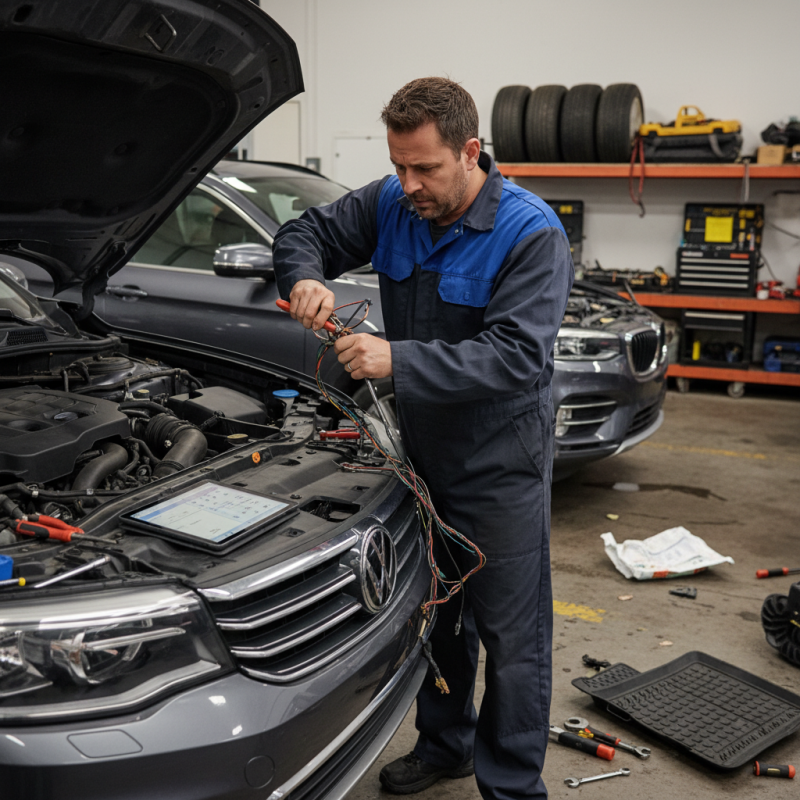
Understanding Vehicle Accessories: Types and Common Installations
When it comes to vehicle accessories, understanding the different types and common installations is crucial for DIY enthusiasts. Accessories can range from floor mats to complex audio systems. Basic installations, like adding seat covers or organizing storage, are usually straightforward. These tasks can boost your vehicle’s aesthetics and functionality.
However, some accessories demand more skill. For example, installing a new headlight may require electrical knowledge. Mistakes here can lead to safety issues. It’s vital to assess your comfort and experience level before diving into these projects. Some installations might seem simple at first glance but could turn challenging quickly.
Additionally, the tools required for specific projects can add complexity. Not having the right tools may hinder your progress. Realizing you need a torque wrench halfway through can be frustrating. Keeping a close eye on user manuals and online tutorials can be beneficial. Take your time, and don’t hesitate to seek expert advice if needed. Understanding the nuances of each installation can help make the process smoother.
Basic Tools and Equipment Needed for DIY Vehicle Accessory Installation
Installing vehicle accessories can be a rewarding DIY project. However, it's crucial to have the right tools and equipment. Based on industry statistics, over 60% of vehicle owners prefer to install accessories themselves. This trend reflects a growing need for basic tools that simplify the process. Key tools include socket sets, screwdrivers, and wrenches. These essentials help deal with various projects, from adding new headlights to upgrading sound systems.
Additionally, safety equipment like gloves and goggles is paramount. Using these can prevent injuries during installation. According to a report from the Automotive Aftermarket Industry Association, nearly 15% of DIY enthusiasts face minor injuries due to inadequate safety measures. Keeping a clean workspace can reduce accidents and make the job easier. Beyond safety, having a good set of pliers or wire strippers is beneficial for electrical components.
Still, some challenges exist. Not every accessory fits perfectly. Misfitting parts can stem from poor measurements or inaccurate installation. Many installers find themselves puzzled by complex instructions or unexpected wiring configurations. Reflecting on these issues can lead to better planning and successful outcomes in future projects. The right tools not only ensure efficiency but also enhance the satisfaction of completing an installation.
Step-by-Step Guide to Installing Popular Vehicle Accessories
Installing vehicle accessories can seem daunting. However, with the right guidance, it becomes an achievable task for any DIY enthusiast. Start by gathering necessary tools and materials. Make sure you have basic tools like
screwdrivers,
wrenches,
and pliers. Check all components before beginning. This preparation can save you time and frustration later.
When installing accessories like a new stereo or LED lights, follow the manufacturer's instructions closely. Each accessory varies in installation complexity. For example, a stereo may require you to deal with wiring harnesses. Take notes or pictures during the
disassembly process to help with reassembly. Don't rush; rushing can lead to mistakes that may require starting over.
Tips: Always double-check your connections before powering on new accessories. Ensure all bolts are secure. If something feels off, step back and reassess your work. Your vehicle is an investment, and mistakes can lead to costly repairs. Take your time and enjoy the process.
Remember, learning from challenges makes you a better installer in the future.
Common Challenges and Solutions During Installation
Installing vehicle accessories can be rewarding but often comes with various challenges. A report by the Automotive Industry Association highlights that 65% of DIYers encounter installation difficulties. Common problems include mismatched parts, unclear instructions, and insufficient tools. These issues can frustrate even experienced enthusiasts.
One frequent challenge is the complexity of wiring systems. Many accessories require integration with a vehicle's electrical system. Approximately 40% of DIY installers report electrical issues. Miswiring can lead to malfunctioning devices or damage to the vehicle. To address this, clear step-by-step guides and diagrams are crucial. Professional forums and community discussions can also provide real-world insights and troubleshooting tips.
Another challenge arises from physical limitations. Some accessories may not fit as expected due to variations in vehicle models. The same Automotive Industry report notes that 30% of users faced compatibility issues. Users should cross-check compatibility before purchasing. Seeking advice from online communities can help identify potential pitfalls before starting an installation project. These combined efforts can lead to a smoother installation experience.
Safety Tips and Best Practices for DIY Vehicle Modifications
When considering DIY vehicle modifications, safety is paramount. Ensure you have the right tools and protective gear. A simple mistake can lead to injury. Check your workspace for hazards. A cluttered area can cause accidents or damage parts.
Tips: Always read the installation instructions thoroughly. Ignoring them can lead to improper setups. Use a fire extinguisher when working with electrical components. Keep your phone nearby for quick access to tutorials.
Before starting, have a plan. Make a checklist of needed tools and parts. This can save time and reduce frustration. Working without a plan may lead to unexpected hurdles.
Tips: Patience is key. If something doesn’t fit, don’t force it. Take a break if you feel overwhelmed. Rushing can lead to costly mistakes. Remember, DIY is a learning experience. Embrace the challenges.
FAQS
: Key tools include socket sets, screwdrivers, wrenches, and pliers. These help with various installations.
Safety gear like gloves and goggles prevents injuries. Many DIY enthusiasts face minor injuries without proper safety measures.
Rushing can lead to errors. Take your time, double-check connections, and refer to instructions carefully.
Misfitting parts may be due to poor measurements or installation. Reflecting on this can improve future projects.
Maintaining a clean workspace reduces accidents. It helps you focus and makes the installation smoother.
Yes, taking notes or pictures during disassembly aids reassembly. It minimizes confusion and simplifies the process later.
No, installation complexity varies. Some accessories require more intricate work, like dealing with wiring harnesses.
If instructions seem complex, take a break and reassess. Seeking clarification can prevent costly mistakes.
Yes, errors may result in repairs. Learning from past mistakes helps become a better installer in future projects.
Always double-check your connections and bolts. If something feels off, step back and reassess your work carefully.
Conclusion
Installing vehicle accessories by yourself can vary in difficulty depending on the type of accessory and your personal skill level. Generally, understanding the different types of vehicle accessories, such as lighting, audio systems, or exterior enhancements, is essential before diving into installations. Basic tools and equipment are typically required, and familiarizing yourself with these can streamline the installation process.
A step-by-step guide can be particularly helpful for popular accessories, outlining clear instructions and preparations. However, challenges such as compatibility issues or unexpected complications may arise. Being aware of common hurdles and having solutions ready can facilitate a smoother installation. Additionally, adhering to safety tips and best practices is crucial. Ultimately, the question of how difficult it is to install vehicle accessories by yourself will largely depend on your prior experience and the complexity of the installation.

 Motix Car