Protecting your vehicle from harsh weather conditions is essential for longevity and performance. According to a report by the National Highway Traffic Safety Administration (NHTSA), weather-related incidents account for nearly 20% of all vehicle crashes annually. To mitigate such risks, understanding how to protect your vehicle from harsh weather conditions is paramount.
Regular maintenance plays a crucial role. For instance, a well-maintained battery can enhance your vehicle's ability to withstand extreme temperatures. Additionally, using quality wax can prevent paint damage from elements like snow, ice, and UV rays. Many drivers overlook these vital steps, often leading to costly repairs. Ignoring such maintenance can turn minor issues into significant problems.
Moreover, investing in a high-quality car cover can offer protection against rain, hail, and UV exposure. Unprotected vehicles can suffer from severe corrosion and fading. These conditions not only diminish aesthetic appeal but also compromise structural integrity. The combination of preventive measures can significantly improve your vehicle's resilience against harsh weather. Evaluate your protective strategies. Are they sufficient for the seasonal changes your area experiences?
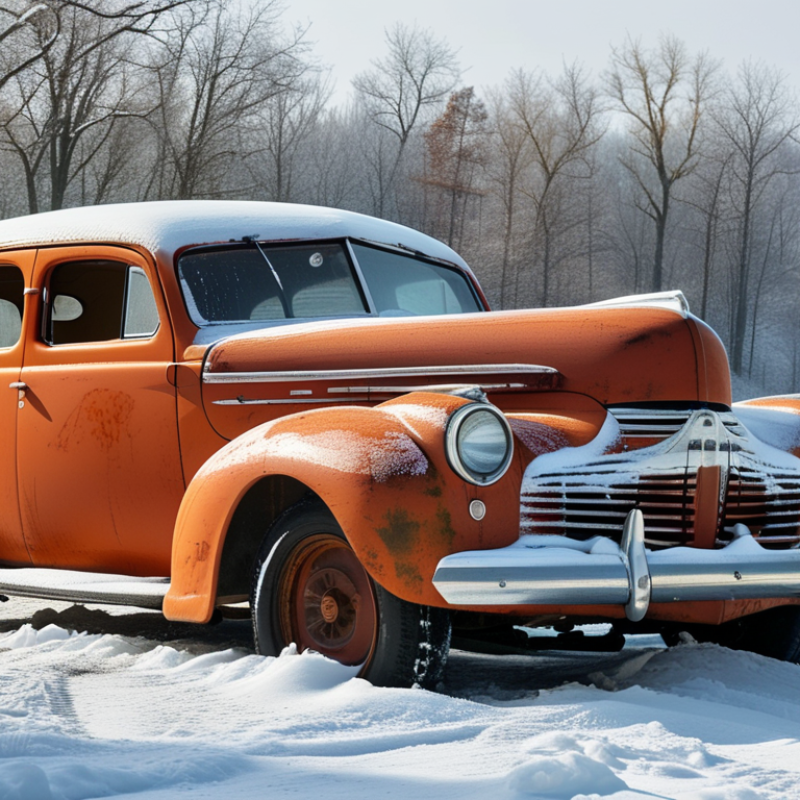
Harsh weather can take a real toll on vehicles. Snow, rain, and excessive sunlight can lead to significant damage. The cold can freeze engine parts, while salt used on roads can corrode metal surfaces. Prolonged exposure to extreme heat can cause paint to fade and tires to wear unevenly. These effects are often overlooked until it's too late.
Regular maintenance is crucial for weathered vehicles. Checking the battery, coolant, and oil levels helps prevent breakdowns. Drivers should also inspect tires for proper inflation and tread wear. It's vital to clean off any road salt to avoid rust. Parking in a garage or using a protective cover can extend a vehicle’s lifespan. However, many people tend to neglect these simple practices, leading to bigger issues later.
Understanding these weather effects helps in making informed decisions. Noticing small problems early can save time and money. Yet, we often take our vehicles for granted. A little reflection on our habits may reveal missed opportunities to protect our investment. Showing our vehicles the care they deserve can prevent costly repairs and extend their life.
Protecting your vehicle from harsh weather is crucial for longevity. Extreme temperatures, humidity, and precipitation can take a toll. According to a 2020 study by the Automotive Engineered Systems, nearly 30% of vehicle damage during winter months stems from inadequate protection.
Regular maintenance checks can prevent significant issues. Ensure fluid levels are optimal, especially antifreeze and oil. Consider a battery test. Cold temperatures can reduce capacity by up to 50%. Clean your vehicle regularly to remove salt and grime, as corrosion can significantly weaken parts over time.
Tires are often overlooked. Maintaining proper tire pressure is vital. Extreme heat or cold can cause fluctuations. Research indicates that under-inflated tires can increase fuel consumption by up to 15%. Proper tread depth is essential for traction in rain and snow. These seemingly minor details make a difference. Recognizing these factors will drive proactive steps in vehicle care.
When choosing the right protective accessories for your vehicle, consider the unique challenges of harsh weather. A quality car cover can shield your car from heavy rain, snow, and intense UV rays. Choose a cover that fits snugly, allowing for wind resistance. Look for breathable materials to prevent moisture buildup, which can cause mold or rust.
Another essential accessory is a set of all-weather floor mats. These mats trap mud, snow, and water, safeguarding your interior. They are easy to clean and can withstand extreme conditions. Remember, investing in windshield covers is wise too. They prevent ice buildup and save you precious time during winter mornings.
Don’t overlook tire protection. Winter tires or all-season options can enhance grip during icy conditions. Regularly check tire pressure, as cold weather can lower it. It’s easy to forget these small details, yet they can greatly impact your vehicle’s longevity and performance. Choose accessories that not only fit your vehicle but also suit your specific climate needs.
| Accessory | Function | Material | Weather Protection |
|---|---|---|---|
| Car Cover | Protects against UV rays, dust, and rain | Polyester | Excellent for sun and rain |
| Windshield Cover | Prevents ice and snow buildup | Foam, Aluminum | Ideal for winter |
| Floor Mats | Protects carpet from mud and moisture | Rubber | Good for wet conditions |
| Windshield Wipers | Ensures clear visibility during rain | Silicone/ Rubber | Essential for rainy weather |
| Tire Covers | Protects tires from sun and harsh elements | Vinyl | Good for long-term outdoor storage |
When harsh weather strikes, protecting your vehicle becomes crucial. The right storage solutions can make a significant difference. According to a report by the Automotive Protection Association, nearly 30% of vehicle damages during winter are due to environmental factors. Proper storage helps mitigate these risks.
In extreme conditions, using a garage is ideal. If that’s not possible, consider a high-quality cover designed for your vehicle type. Be aware that not all covers offer the same level of protection. Ensure it is breathable to prevent moisture buildup. According to the National Weather Service, moisture can lead to rust and corrosion over time.
Tip: Create a checklist of items to store in your vehicle, such as tire inflators and emergency kits. This prepares you for unexpected weather changes.
Additionally, avoid parking under trees during storms. Falling branches can cause significant damage. It's essential to regularly inspect your storage area for leaks or water ingress. A well-maintained space not only protects your car but also extends its lifespan.
Staying informed about weather conditions is essential for vehicle care. Weather can change rapidly. Severe storms, heavy snowfall, and extreme heat can all lead to vehicle damage. Regularly checking weather apps or local forecasts can provide timely updates. Knowing when a storm is approaching allows you to take action.
Prepare your vehicle based on weather alerts. For example, if freezing temperatures are expected, you should avoid parking outside. Ice can damage your paint and freeze your locks. Additionally, having a plan for snow days is crucial. A full gas tank can prevent fuel line freeze-ups. Stock your vehicle with an emergency kit in case of unexpected situations.
While staying updated is vital, acknowledge that you can't control every situation. Sometimes, the unexpected happens. You might forget to check the weather and end up with a frozen car. Use these moments as lessons. After all, your vehicle is an investment that deserves care and attention. Taking proactive steps can save time and money in the long run.
: Extreme weather can cause significant vehicle damage. Regular maintenance protects against long-term issues.
Focus on antifreeze and oil levels. Optimal fluid levels prevent overheating and other complications.
Cold temperatures can reduce battery capacity by up to 50%. Testing your battery is essential before winter.
Regularly clean your vehicle. Remove salt and grime to protect against rust and damage.
Proper tire pressure ensures safety. Under-inflated tires can increase fuel consumption by up to 15%.
Fill your gas tank and avoid parking outside during freezing temperatures to prevent line freeze-ups.
Include basic supplies like blankets, water, and a flashlight. Being prepared can help in unexpected situations.
Neglecting maintenance can lead to costly repairs and unsafe driving conditions. Regular checks are a smart investment.
Staying updated on weather conditions allows you to take action. Prepare your vehicle to avoid potential damage.
Mistakes like forgetting to check the weather can happen. Use those experiences to improve future vehicle care efforts.
Protecting your vehicle from harsh weather conditions is essential to ensure its longevity and performance. Understanding the effects of extreme weather, such as heavy rain, snow, or intense heat, helps vehicle owners take proactive measures. Regular maintenance, including checking fluids, battery health, and tire conditions, is vital for weather resilience. It’s also important to choose the right protective accessories, such as covers and window shields, that can mitigate damage from environmental elements.
In addition, vehicle storage during severe weather plays a critical role in safeguarding against potential harm. Utilizing garages or designated car covers ensures that vehicles are well-protected. Staying informed about weather alerts and conditions is equally important, as it allows owners to take timely action to protect their vehicles. By considering these key strategies, you can effectively learn how to protect your vehicle from harsh weather conditions.

Motix Car