Safer driving does not always require a new car. Sometimes, it starts with a clean windshield, correctly adjusted mirrors, and tires checked before a rainy commute. This guide explores how to improve driving safety with simple upgrades that can make everyday trips more predictable. Think brighter, properly aimed headlights; fresh wiper blades; a phone mount that keeps navigation in view; and a tire-pressure gauge tucked in the glove box. Small details matter. A worn blade leaving a gray smear across the glass can hide a cyclist at dusk.
David Harkey, president of the Insurance Institute for Highway Safety, is a useful expert reference on vehicle safety. A careful paraphrase of his organization’s safety message is: “Good vehicle design can help prevent crashes and reduce injuries.” This is a paraphrase, not a verbatim quotation. The distinction matters. No accessory can promise protection, and even a well-equipped car still depends on attentive driving. Some upgrades also need correct installation; a poorly aimed headlight may create glare instead of clearer vision. This list focuses on practical changes, explains what each can improve, and encourages drivers to check their owner’s manual and local requirements. It is not perfect—no short list can account for every car, road, or driver. But it offers a grounded place to start. Make one useful change. Then check whether it actually helps.
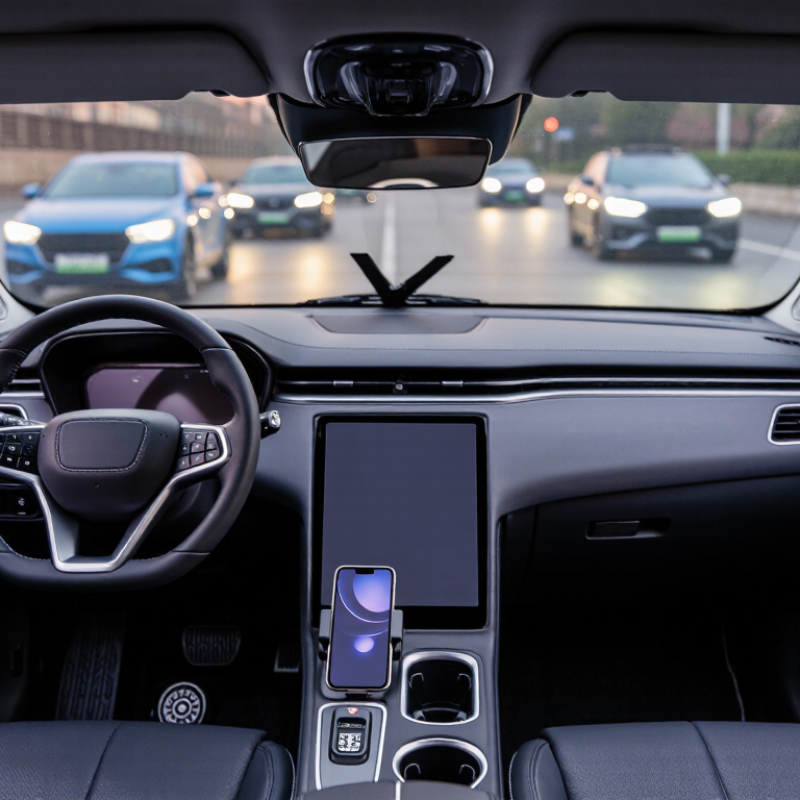
China’s road-safety needs depend on where and how people drive. At the end of 2023, China had 435 million motor vehicles and 523 million drivers, according to the Ministry of Public Security. Those figures show the scale of road use, not an individual driver’s chance of a crash. The World Health Organization’s Global Status Report on Road Safety 2023 estimated 1.19 million road deaths worldwide in 2021. The global figure cannot describe every Chinese commute, but it shows why everyday risks deserve attention.
In crowded city streets, check mirror coverage and watch for bicycles, e-bikes, and vehicles entering from side roads. Leave space at junctions. Small gaps matter. On expressways, inspect tire condition and pressure, keep headlights and wipers working, and pause when fatigue sets in. After rain, painted road markings and metal covers can become slippery; reduce speed and avoid abrupt braking. Seat belts should fit snugly, including in the rear seats. A practical review starts with the vehicle’s age, usual routes, passenger needs, and recent near misses. I might overvalue visible upgrades, like brighter lights, while overlooking worn tires or poor wiper blades. Check these basics regularly.
A practical checklist for common driving risks, including speeding, distraction, fatigue, poor visibility, and vehicle maintenance.
Priority scores are qualitative planning ratings from 1 (lower priority) to 5 (higher priority), not official statistics or measured crash-risk data. Prioritize upgrades according to your vehicle, routes, and driving habits.
Good tires help a car hold its line when rain slicks the road or a quick turn demands more grip. Check the tread for uneven wear, cracks, or embedded stones. A worn shoulder can signal alignment or inflation problems, not just an aging tire. Small details matter. Choose tires that suit your vehicle and usual driving conditions, and have damage assessed by a qualified technician.
Pressure matters just as much as tread. Use a reliable gauge when the tires are cold, then compare the reading with the vehicle’s door-jamb placard or owner’s manual. Do not use the maximum pressure printed on the tire sidewall as the recommended setting. Even a modest pressure loss can affect handling and braking, while overinflation may reduce the contact patch. Temperature changes can also shift readings.
A tire-pressure monitoring system can alert you when pressure drops, but it is not a substitute for regular checks. Some systems warn only after pressure has fallen significantly, and a slow leak may escape notice between trips. I used to think the dashboard light would catch every problem; that assumption is too convenient. Check pressure monthly and before long drives, and inspect tires in good light. If one tire keeps losing air, find the cause rather than repeatedly topping it up.
A safer car is not always a newer car. Brakes and lights are two practical places to improve control and visibility. Have the brake system inspected before choosing replacement parts. Worn pads, scored rotors, or old brake fluid can affect stopping performance. If the pedal feels soft or the car pulls during braking, arrange a professional check. Small signs matter.
When parts need replacement, choose components that match the vehicle’s specifications. A qualified technician can confirm fit and check the calipers, hoses, and fluid. After servicing, test the brakes gently in a clear, safe area. Do not assume new parts fix every problem; poor tires or uneven loading can also affect stopping distance. I have seen simple maintenance overlooked because an upgrade seemed more exciting.
Lighting deserves the same careful attention. Clean cloudy lenses, replace dim or failed bulbs with compatible ones, and check that headlights aim correctly. At dusk, look for an even beam that lights the road without glaring into oncoming drivers’ eyes. Check brake lights and turn signals with another person, or use a reflective surface. Clear light helps others read your intentions. It cannot replace slower driving in rain or fog.
A dash camera can record the road ahead and provide useful context after a sudden stop or minor collision. Mount it high on the windshield, outside the driver’s main field of view. Keep the lens clean; dust and glare can blur details. Check that the camera records clearly at night, not just in bright daylight. It is a useful witness, not a substitute for careful driving.
Parking sensors help when easing into a tight space or backing near a low wall. Their beeps often become faster as an obstacle gets closer. Test them in an empty area before relying on them. Rain, dirt, bike racks, or oddly shaped objects can affect detection. The sound may be late. Look around, use mirrors, and move slowly.
Blind-spot alerts can warn when a vehicle sits beside your car, where mirrors may not show it. Indicator lights near the mirrors are easy to notice, but they cannot judge every fast-approaching vehicle. Adjust your mirrors and glance over your shoulder before changing lanes. Still, stay alert. These aids reduce guesswork, though I sometimes catch myself trusting a warning more than my own view. That habit needs correcting.
China Top 10 Simple Upgrades to Improve Driving Safety
A seat belt only protects properly when it fits and works as intended. Before a long drive, check each belt, including those in the rear seats. Pull the webbing slowly and look for fraying, cuts, or twisted sections. Buckle it and give the latch a gentle tug; it should stay fastened. The lap belt should sit low across the hips, while the shoulder belt crosses the chest without rubbing the neck. Follow the vehicle manual for adjustment and replacement advice. A quick check takes little time. If a belt sticks, will not latch, or shows damage, have it inspected before relying on it.
Keep emergency supplies where they are easy to reach, not buried under luggage. A small kit can include a first-aid pack, drinking water, a flashlight with fresh batteries, a phone charging cable, and a reflective vest. Add warm layers in cold weather, and check stored items every few months for leaks, expired supplies, or dead batteries. One detail is easy to miss: a flashlight is no help if its batteries have drained. Even a carefully packed kit cannot prevent every roadside problem, and its contents may need to change with the season and trip. Practice finding the kit before you need it.
| No. | Safety Upgrade | What to Check or Do | Suggested Timing | Safety Benefit |
|---|---|---|---|---|
| 1 | Check every seat belt | Confirm each belt latches securely, retracts smoothly, and is free of cuts, fraying, or other visible damage. Make sure the belt lies flat and is worn correctly on every trip. | Before each trip; inspect periodically | Helps keep occupants properly restrained during sudden stops or a crash. |
| 2 | Adjust head restraints | Set each head restraint according to the vehicle manual so it supports the back of the occupant’s head. Adjust it again when drivers or passengers change. | Whenever the seating position or occupant changes | Helps reduce excessive head and neck movement in a rear impact. |
| 3 | Use the correct child restraint | Choose a child restraint appropriate for the child’s size and follow both the restraint and vehicle instructions. Check that it is securely installed and that the harness fits snugly. | Before each journey; recheck after installation or adjustment | Provides age- and size-appropriate protection for young passengers. |
| 4 | Check tire condition and pressure | Look for damage, uneven wear, or objects embedded in the tread. Check pressure when tires are cold and use the vehicle’s recommended pressure information, not the maximum pressure printed on the tire. | Monthly and before long trips | Supports predictable handling, braking, and tire performance. |
| 5 | Inspect lights and signals | Test headlights, brake lights, turn signals, hazard lights, and reversing lights. Clean lenses and replace faulty bulbs or have the lighting system checked. | Monthly and before night or bad-weather driving | Helps the driver see the road and makes the vehicle easier for others to notice. |
| 6 | Maintain clear visibility | Check wiper blades, washer fluid, windshield condition, mirrors, and window cleanliness. Replace wipers when they smear, skip, or leave uncleared areas. | Check regularly and before wet-weather trips | Improves the driver’s view of the road and surrounding traffic. |
| 7 | Secure loose items and luggage | Place heavy items low and secure them in the luggage area. Keep objects away from the driver’s controls and avoid placing loose items on seats or the dashboard. | Before each trip | Reduces distraction and the risk of objects moving around during sudden braking. |
| 8 | Prepare a basic emergency kit | Keep suitable first-aid supplies, a flashlight, a warning triangle or other locally required warning device, reflective gear, drinking water, and a phone charging option in the vehicle. | Check contents periodically and before long trips | Helps occupants stay visible and better prepared while waiting for assistance. |
| 9 | Check brakes for warning signs | Pay attention to unusual noises, vibration, pulling to one side, a soft or abnormal pedal feel, or a brake warning light. Arrange a professional inspection if any warning sign appears. | During regular vehicle checks and whenever symptoms appear | Helps identify braking problems before they worsen. |
| 10 | Set mirrors and reduce blind spots | Adjust the seat and mirrors before moving. Check the surrounding area directly before changing lanes or reversing; use a camera or parking sensor as an aid, not a substitute for looking. | Before each trip and whenever the driver changes | Improves awareness of nearby vehicles, cyclists, and pedestrians. |
Follow the vehicle manual and applicable local traffic rules. If a safety component is damaged or a warning light remains on, seek a qualified inspection.
Check monthly and before long drives. Use a reliable gauge when tires are cold. Small leaks can hide.
Check the vehicle’s door-jamb placard or owner’s manual. Do not use the tire sidewall’s maximum pressure as the target.
Look for uneven tread wear, cracks, and embedded stones. A worn shoulder may point to alignment or inflation trouble. Details matter.
No. It may warn only after pressure drops significantly. I used to trust the dashboard light too much.
Mount it high on the windshield, outside your main view. Keep the lens clean. Check nighttime footage too.
Test them in an empty area first. Rain, dirt, or a bike rack may affect detection. Look around and move slowly.
No. Adjust your mirrors and glance over your shoulder. Alerts may miss fast-approaching vehicles. Stay alert.
Find the cause instead of repeatedly adding air. Have damage assessed by a qualified technician. Topping it up is not a fix.
Improving road safety in China does not always require major modifications. Start by considering your vehicle, regular routes, and common driving risks, such as wet or uneven roads, crowded traffic, and reduced visibility. Quality tires with suitable tread, together with regular pressure checks, can help maintain traction and stable handling. Reliable brakes and well-maintained lights also support safer control and make it easier to see and be seen, especially at night or in poor weather.
Simple technology and routine checks can add further protection. A dash camera can document journeys, while parking sensors and blind-spot alerts can help drivers notice nearby obstacles or vehicles. Inside the car, check that seat belts work properly and are used on every trip, and keep basic emergency supplies within reach. These practical steps offer a clear starting point for anyone exploring how to improve driving safety with simple upgrades, while reinforcing attentive driving and regular vehicle maintenance.

Motix Car