Truck modifications can improve capability, comfort, and appearance. They can also create costly problems when parts do not work together. A lift kit may change steering geometry. Oversized tires can rub the fenders during a tight turn. Even a simple wiring change can leave a warning light glowing on the dashboard.
Knowing how to avoid common mistakes when modifying a truck starts with a clear plan. Decide what the truck needs to do, then check how each change may affect suspension, braking, tires, and electrical systems. Measure before ordering parts. Keep the original components, and ask a qualified technician to inspect changes that affect safety. Small details matter.
As truck-building specialist Mike Finnegan puts it, “Plan the whole build before you buy the first part.” Treat that as a guiding principle, not a substitute for vehicle-specific advice. A modification that suits a weekend trail truck may be a poor choice for a daily work vehicle. Be honest about your budget, tools, and experience. Some jobs are better handled by a professional, and admitting that can save time and prevent rework.
This guide covers practical checks, common compatibility issues, and safer ways to approach upgrades. Not every mistake has a dramatic warning sign; sometimes it is a slow tire rub or a new vibration. Pause, inspect, and rethink the setup before a small concern becomes an expensive repair.
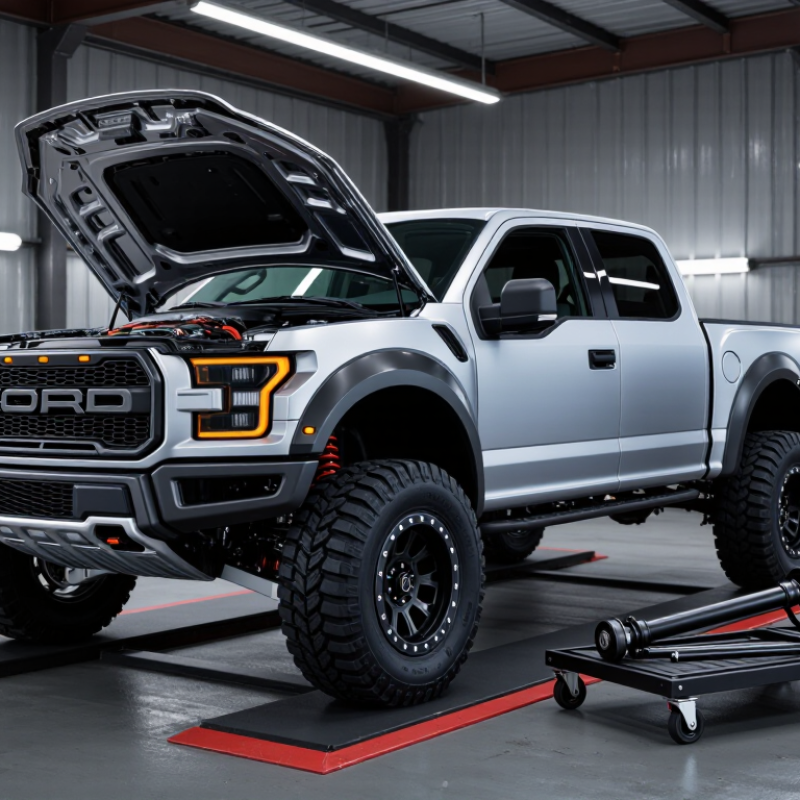
Define Your Truck’s Purpose and Modification Goals
Top Tips: How to Avoid Common Truck Modification Mistakes?
Define your truck’s purpose before choosing any modification. A work truck needs different upgrades than a weekend trail vehicle. Write down how you use it each week. Record payload, towing needs, road conditions, and passenger space. A heavy suspension setup may look impressive, but it can reduce comfort during daily driving. Oversized wheels can also affect braking, steering, and fuel use. Your goal should improve function, not simply appearance.
Tips: Set a realistic budget. Measure clearance twice. Check the manufacturer’s weight limits. Keep safety equipment accessible. Discuss complex changes with a qualified technician. Their inspection may reveal weak mounting points, poor load balance, or incompatible components. Small details matter, especially when carrying tools or uneven cargo.
Avoid changing several systems at once. Test one modification before adding another. Note unusual vibration, uneven tire wear, or new steering effort. These signs should not be ignored. A plan can still be wrong. I would rather revise an upgrade early than defend an expensive mistake later. Keep original parts when possible, and document every adjustment with photos and measurements. This record supports safer maintenance and makes future troubleshooting much easier.
Top Tips: Avoid Common Truck Modification Mistakes
Define Your Truck’s Purpose and Modification Goals
Before selecting parts, identify the truck’s primary use and set measurable goals. A work truck should prioritize payload and durability, while a towing-focused truck needs adequate towing capacity, braking performance, and stability. Off-road modifications should also account for ground clearance, suspension travel, and safety.
Verify Part Compatibility and Quality
Before installing any truck modification, verify the exact part number, model year, engine, drivetrain, and load rating. A similar-looking component may not fit the mounting points or electrical system. I learned this the hard way: a one-inch mismatch can create vibration, uneven tire wear, or premature failure. Compatibility is not a guess.
Tips: Check the manufacturer’s technical sheet, installation guide, warranty terms, and independent test results. Confirm material grades, corrosion resistance, fastener strength, and clearance around brakes, steering, exhaust, and suspension parts. Ask a qualified technician to measure twice. It feels slower, but it costs less than correcting a failed installation.
Quality matters in a growing market. The 2023 SEMA Market Report estimated the U.S. specialty-equipment market reached 52.3 billion dollars in 2022. That scale offers more choices, but it also makes careful screening essential. Look for traceable specifications and documented testing, not only attractive photographs or low prices. SAE standards can help when a part relates to suspension, lighting, or structural performance. Still, certification language deserves careful reading; compliance for one application may not cover your truck. I sometimes overlook small hardware, yet weak bolts or poor wiring can defeat an excellent main component. Record measurements, keep receipts, and inspect the modification after the first short drive.
Plan the Budget and Installation Process
A truck modification project often fails before the first tool is used. The budget is too vague, and installation time is treated as free. I have learned to price every stage: parts, delivery, wiring, fasteners, labor, calibration, and testing. Keep a 15 percent reserve for damaged hardware or unexpected fitment problems. Small costs accumulate quickly. They always do.
Before ordering, measure clearance around the wheels, suspension, exhaust, and cargo area. Photograph existing connections and record bolt sizes. A written installation plan should show the sequence, required tools, torque values, and safe lifting points. If electrical work is involved, include fuse protection and a final function check. Ask a qualified technician to review structural or braking changes. Online advice can miss a critical detail.
Schedule more time than the optimistic estimate. A weekend project may need three days when rusted bolts, poor instructions, or weather interfere. Do not force a part into place. Stop, reassess, and compare the result with the vehicle’s service information. I once underestimated cable routing and had to redo it, wasting both time and money. That mistake still shapes my planning. Leave the truck untouched until every fastener is secure and every system works normally.
Test Modifications and Monitor Vehicle Performance
Truck modifications should be tested as controlled changes, not judged by appearance alone. From workshop experience, a new suspension setting can alter braking distance, steering feel, and tire temperature. Record the truck’s original condition before touching anything. Note payload, tire pressure, weather, route, and fuel level. Small details matter. Use a repeatable test route with safe, legal conditions. Keep one variable unchanged whenever possible, or your results become difficult to trust.
After fitting a component, begin with a slow inspection in an empty, controlled area. Check fasteners, clearances, lights, wiring, and unusual movement. Then drive gently and listen for vibration, rubbing, or delayed steering response. Stop and inspect again. I once treated a minor floor vibration as harmless; it later revealed an alignment issue. That mistake reinforced a useful rule: discomfort is data, not an inconvenience. Do not increase speed or load until basic behavior remains stable.
Monitor performance over several trips, not one impressive drive. Compare braking feel, cornering stability, ride height, temperature readings, and fuel use with your baseline. A simple notebook or digital log can expose gradual changes. If temperatures rise, tires wear unevenly, or warning lights appear, pause testing and seek inspection from a qualified technician. Some modifications look successful for a week. Real reliability takes longer to prove.
Top Tips How to Avoid Common Truck Modification Mistakes? - Test Modifications and Monitor Vehicle Performance
Sample controlled-road test record. Figures are illustrative; repeat tests under comparable load, route, weather, and tire-pressure conditions.
| Performance measure |
Before modification |
After modification |
Change |
What to monitor |
Practical next step |
| Braking distance, 80–0 km/h |
39.8 m |
40.6 m |
+0.8 m (+2.0%) |
Stopping distance, brake feel, and any pulling to one side |
Repeat on a closed, level test area; inspect tires and brakes if the increase persists. |
| Acceleration, 0–80 km/h |
18.2 s |
18.5 s |
+0.3 s (+1.6%) |
Repeatability, gear changes, and engine warning indicators |
Check for added weight, tire changes, or installation issues before adjusting engine settings. |
| Fuel consumption, steady route |
8.4 L/100 km |
8.7 L/100 km |
+0.3 L/100 km (+3.6%) |
Fuel use over several comparable trips, not a single short drive |
Compare similar speeds and loads; check tire pressure and added aerodynamic drag. |
| Coolant temperature, steady operation |
92 °C |
95 °C |
+3 °C |
Temperature trend, warning lights, and performance under load |
Compare readings with the vehicle’s specified operating range; stop if overheating warnings appear. |
| Front wheel alignment, toe |
+0.10° |
+0.28° |
+0.18° |
Uneven tire wear, steering-wheel position, and vehicle tracking |
Get a professional alignment check against the vehicle’s specified settings after suspension changes. |
| Added modification weight |
0 kg |
38 kg |
+38 kg |
Remaining payload and axle loads with typical cargo onboard |
Weigh the loaded vehicle and stay within its rated gross and axle limits. |
Test safely in a controlled environment. Follow applicable regulations and the vehicle’s service specifications; discontinue testing if handling or warning indicators worsen.
Conclusion
Modifying a truck successfully starts with a clear understanding of its intended purpose, whether for work, recreation, improved comfort, or enhanced capability. Before purchasing parts, define your goals and review applicable legal, safety, insurance, and warranty requirements. This helps prevent changes that may reduce reliability, affect vehicle control, or create unexpected ownership problems. A careful plan should also include a realistic budget, professional guidance when needed, and enough time for proper installation rather than rushed work.
Learning how to avoid common mistakes when modifying a truck also means confirming that every component is compatible with the vehicle’s specifications, load limits, and existing systems. Choose quality parts from dependable sources and inspect them before installation. After each modification, test the truck gradually in a controlled and safe environment. Pay attention to handling, braking, steering, noise, fuel use, and warning indicators, then monitor performance regularly. Keeping records of the work and addressing small issues early can help maintain safety, durability, and dependable performance.
 Motix Car
