Upgrading your vehicle can be an exciting journey. However, ensuring compatibility during this process is crucial. Many car owners overlook this aspect, leading to costly mistakes. Understanding how to ensure compatibility when upgrading your vehicle is essential for both safety and performance.
In this guide, we will explore ten valuable tips to help you navigate the complexities of vehicle upgrades. Each tip will offer practical advice, helping you make informed decisions. From selecting the right parts to considering software updates, you will discover how to avoid common pitfalls. It’s easy to get caught up in aesthetics or trends. However, prioritizing compatibility will save you time and money in the long run.
Remember, a successful upgrade is not just about enhancing appearance or performance. It’s about creating a cohesive system that works seamlessly. Take the time to research and reflect on your options. Embrace the journey with a mindful approach, and you’ll enjoy the benefits of a truly compatible upgrade.
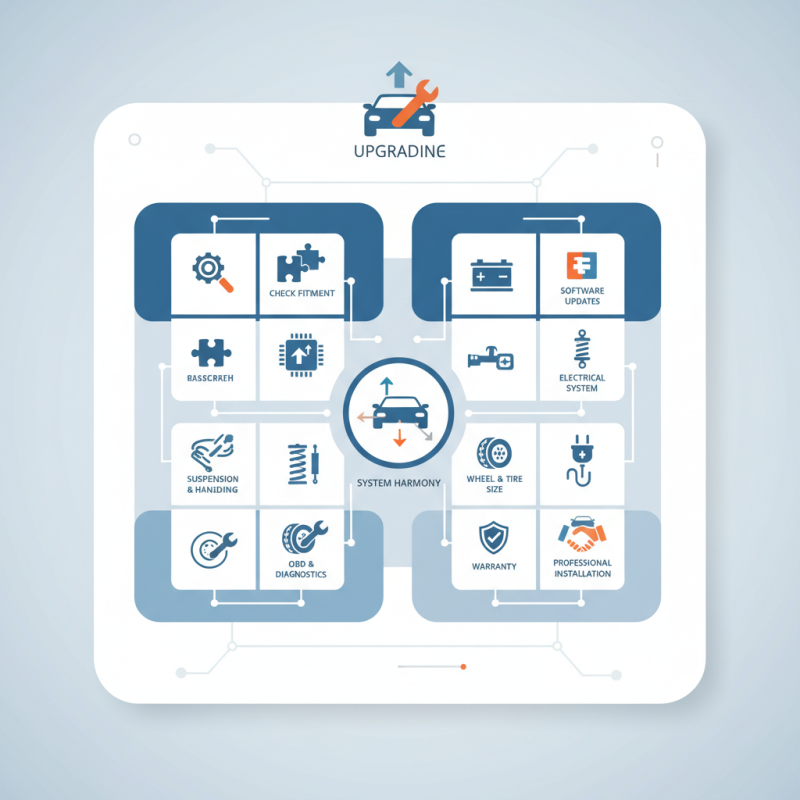
When upgrading your vehicle, understanding compatibility is crucial. Each vehicle has specific needs that must be met for optimal performance. Key factors include engine type, transmission compatibility, and electrical systems. For instance, a new engine may require unique mounts or connections. Ignoring these details can lead to costly errors.
Compatibility extends to parts and accessories too. Upgraded tires might affect handling and fuel efficiency. Make sure the new components can integrate seamlessly with your vehicle's systems. Research is vital. Using forums and expert articles helps gather necessary insights. Engaging with experienced mechanics provides valuable knowledge. They can highlight what has worked for similar vehicles.
Sometimes, you might find parts that seem perfect but aren’t designed for your model. Always double-check specifications. It’s easy to overlook compatibility when excited about upgrades. This can lead to disappointment down the road. Reflect on your needs frequently. Adjust your choices based on real-world feedback. Balancing your ambitions with practical realities is essential for a successful upgrade.
| Tip Number | Compatibility Aspect | Details |
|---|---|---|
| 1 | Engine Compatibility | Ensure the new engine matches the mounting points and electrical systems. |
| 2 | Transmission Type | Verify that the transmission fits and can connect with the engine. |
| 3 | Drivetrain Configuration | Check if the drivetrain setup is compatible with your new components. |
| 4 | Electrical System | Ensure the new parts integrate well with the vehicle's electrical systems. |
| 5 | Suspension Upgrades | Consider weight distribution for new components affecting suspension. |
| 6 | Fuel System Compatibility | Check if fuel injectors and pumps work well with the new engine. |
| 7 | Size and Space Requirements | Make sure new components physically fit in the existing spaces. |
| 8 | Cooling System | Verify if the cooling system can handle the upgraded components' demands. |
| 9 | Braking System | Assess if the braking system can manage the vehicle's upgraded weight and performance. |
| 10 | Regulatory Compliance | Ensure that all upgrades comply with local laws and regulations. |
: Compatibility ensures optimal performance. Each vehicle has unique needs, like engine type and transmission compatibility.
Consider how new tires affect handling and fuel efficiency. Ensure they integrate well with your vehicle’s systems.
Use forums and expert articles. Engaging with experienced mechanics provides valuable insights into compatible options.
Always double-check specifications. Excitement can lead to overlooking compatibility, which could result in disappointment.
Many upgrades require significant power, which can strain your vehicle’s existing wiring if not assessed properly.
Check for signs of wear or damage. These can lead to failures if overlooked during upgrades.
A new audio system might need a specific interface to function well. Software updates may also be necessary.
Bad grounds can cause malfunctions. Ensure connections are secure and well-insulated to avoid electrical issues.
Use testing tools to check connections and voltage levels. Unexpected spikes may indicate underlying problems.
Ignoring compatibility can lead to frustrating experiences and potential damage to the vehicle’s systems. Think critically about upgrades.
Upgrading your vehicle can enhance its performance and features, but it is crucial to know how to ensure compatibility when upgrading your vehicle. First, understanding your vehicle’s specific compatibility needs is essential. This involves researching various upgrade options, including tools and components that fit your vehicle model. Additionally, evaluating any engine and performance modifications is key, as these changes can significantly affect how your vehicle operates.
Moreover, checking the compatibility of the electrical systems is vital, as modern vehicles rely heavily on integrated electronics. It is also advisable to consult expert opinions, whether from mechanics or automotive professionals, to gain insights on potential upgrades. By following these tips, you can make informed decisions that will lead to a successful and seamless vehicle upgrade experience.

 Motix Car