Top Reasons Why Pickup Truck Modifications Are Popular

Time:2026-10-15 Author:Sienna
0%

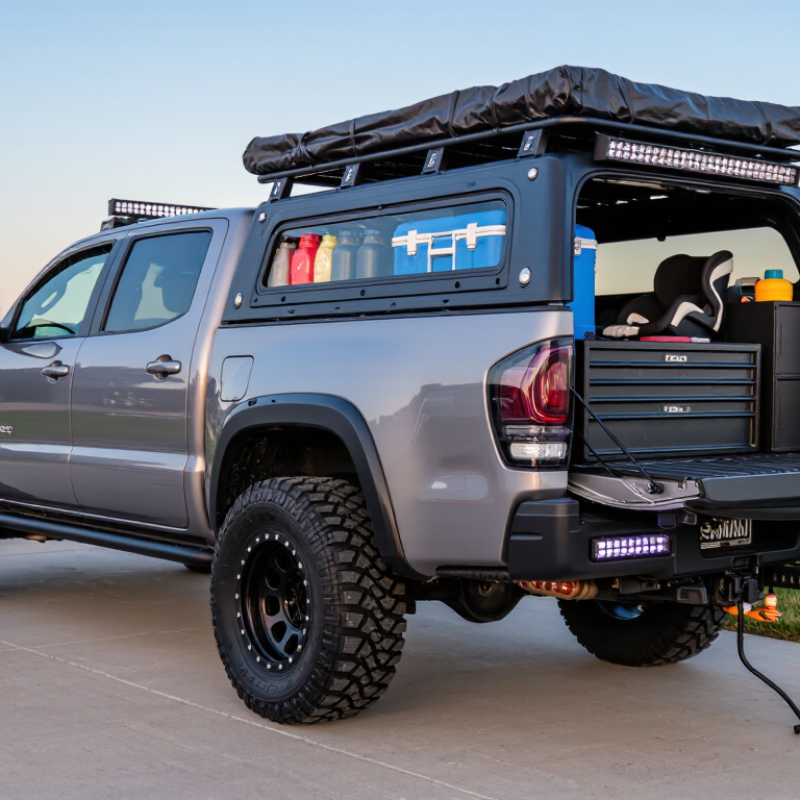
Pickup trucks are changing from practical work vehicles into highly personal machines. Owners add bed covers, suspension upgrades, recovery equipment, lighting, and storage systems. These changes often reflect real routines, not simple decoration. A contractor may need organized tool drawers. A weekend camper may prefer a roof rack and auxiliary power. A family driver may choose better tires and safer interior storage.

So, why are pickup truck modifications becoming popular? The answer combines utility, identity, comfort, and online influence. Social media makes customized trucks visible within seconds. Local shows then turn private projects into shared inspiration. Mike Spagnola, a longtime SEMA technical and product-development specialist, has emphasized, “Customization is about making a vehicle fit the owner’s lifestyle.” That idea explains the trend clearly. A modified truck can feel more useful because it matches daily demands.

Still, popularity does not guarantee good decisions. A larger tire can affect braking, steering, fuel use, and suspension stress. An attractive lift may reduce practicality when loading heavy equipment. Some owners also copy dramatic builds without checking payload ratings or installation quality. That is where experience matters. Reliable modifications should use properly rated components, professional fitting, and careful testing. Check the owner’s manual. Measure twice.

This article will examine the top reasons behind the movement, including improved capability, personal expression, comfort, resale considerations, and community culture. It will also question the common assumption that more modification always means more value. Sometimes, the smartest upgrade is the least noticeable one.
Top Reasons Why Pickup Truck Modifications Are Popular

Market Scale: Over 2.5 Million U.S. Pickups Sold in 2023

Top Reasons Why Pickup Truck Modifications Are Popular

Market Scale: Over 2.5 Million U.S. Pickups Sold in 2023

More than 2.5 million pickup trucks were sold in the United States in 2023. That scale creates a large audience for practical modifications. Pickup owners often use their vehicles for commuting, towing, construction, outdoor travel, or family duties. One truck may serve several roles each week.

In repair and accessory work, common upgrades include bed storage, protective floor liners, brighter work lighting, and towing equipment. These changes solve visible problems. A sealed storage box keeps tools dry during sudden rain. A bed liner reduces damage from gravel, timber, and metal equipment. Practicality matters. Some owners also adjust suspension components for improved load control, but poor installation can reduce comfort and handling. Professional measurements are important.

Personal style adds another reason. Owners may select different wheels, cabin organizers, lighting layouts, or exterior protection. These details make a familiar vehicle feel more useful and personal. Yet modification quality varies widely. Bigger is not always better. Extra weight can increase fuel use and braking demands, while poorly matched parts may create unnecessary wear. I have seen owners spend heavily on appearance before addressing basic maintenance. That order deserves reconsideration.

The strongest approach begins with the truck’s actual workload. Check payload limits, towing requirements, installation quality, and local safety rules. A qualified technician can identify compatibility issues before they become expensive repairs. A simple, well-fitted upgrade often delivers more value than a dramatic one.

Utility Upgrades: SAE J2807 Standards Guide Towing and Payload Modifications

Top Reasons Why Pickup Truck Modifications Are Popular

Utility upgrades make pickup trucks more useful for work, travel, and demanding loads. A standard bed may carry tools, camping equipment, or construction materials. SEMA’s 2024 market report estimated that Americans spent $52.6 billion on vehicle accessories and modifications in 2023. Much of that spending reflects practical needs. Some upgrades still look better than they perform.

SAE J2807 provides a consistent method for evaluating towing performance. It considers trailer weight, acceleration, braking, cooling, axle limits, and grade testing. These measurements help guide towing modifications with evidence rather than guesswork. Payload is not only the advertised figure. It includes passengers, fuel, tools, accessories, and trailer tongue weight. A 200-pound drawer system removes 200 pounds of available payload. A heavy bumper, winch, or larger tire adds more weight. The easy mistake is forgetting small items. I have seen capacity disappear through several “minor” upgrades. An oversized suspension lift can also change handling and braking behavior. Stronger does not always mean safer.

Tips: Check the door-jamb payload label before modifying the truck. Weigh the loaded vehicle at a certified scale. Keep axle weights below their ratings. Match hitch equipment to the trailer’s loaded weight. Ask a qualified technician to review brake, tire, and suspension changes. SAE J2807 guides testing, but it does not certify every modified vehicle.

Top Reasons Why Pickup Truck Modifications Are Popular - Utility Upgrades: SAE J2807 Standards Guide Towing and Payload Modifications

Practical, non-brand-specific reference data for evaluating towing, payload, stability, braking, and utility modifications.

Modification Area Key Data Dimension Realistic Planning Example Calculation or Technical Meaning Why It Matters Under SAE J2807-Oriented Evaluation
Payload Capacity Gross Vehicle Weight Rating (GVWR) Example GVWR: 7,200 lb The maximum permitted loaded weight of the pickup, including occupants, cargo, accessories, and trailer tongue weight. Suspension, wheel, tire, and cargo upgrades should not be treated as permission to exceed the vehicle's certified GVWR.
Payload Capacity Available payload GVWR: 7,200 lb
Actual curb weight: 5,100 lb
Available payload: 2,100 lb
Available payload = GVWR − actual vehicle weight Every added passenger, toolbox, winch, auxiliary fuel tank, suspension component, and trailer tongue load reduces the remaining payload.
Towing Capacity Gross Combined Weight Rating (GCWR) Example GCWR: 15,000 lb
Loaded pickup weight: 6,900 lb
GCWR-based trailer allowance = 15,000 − 6,900 = 8,100 lb Actual towing capacity is limited by the lowest applicable rating, including GCWR, hitch rating, axle rating, tire rating, and the vehicle's certified tow rating.
Trailer Loading Trailer tongue weight For a 8,000 lb conventional trailer, a common planning range is approximately 800–1,200 lb. A conventional trailer often requires roughly 10–15% of its loaded weight on the hitch for stable handling. This is a planning range, not a universal requirement. Tongue weight counts against payload and rear-axle capacity. Weight-distribution equipment does not eliminate the actual vertical load placed on the vehicle.
Payload Management Remaining payload after passengers and tongue load Available payload: 2,100 lb
Passengers and cargo: 400 lb
Tongue weight: 800 lb
Remaining margin: 900 lb
2,100 − 400 − 800 = 900 lb remaining payload This calculation helps identify whether utility modifications add useful capability or consume the margin needed for safe towing and cargo transport.
Axle and Tire Upgrades Gross Axle Weight Rating (GAWR) Example rear GAWR: 4,800 lb
Measured loaded rear axle: 4,450 lb
Remaining rear-axle margin: 350 lb
Rear-axle margin = rear GAWR − measured rear-axle load Higher-capacity tires or wheels may improve component capability, but they do not automatically raise the truck's certified GAWR or GVWR.
Braking Performance Trailer brake system and controller A properly adjusted electric or hydraulic trailer brake system should engage smoothly and remain synchronized with the tow vehicle. Trailer brakes reduce the braking demand placed on the pickup, but stopping distance still depends on speed, road surface, loading, brake condition, and temperature. SAE J2807-oriented towing evaluation considers controlled performance rather than relying only on engine power or advertised maximum trailer weight.
Thermal Management Engine, transmission, and cooling temperatures Monitor temperatures during sustained grades, hot weather, heavy payloads, and low-speed towing. Additional cooling capacity can help manage heat, but it cannot compensate for exceeding weight ratings or operating outside the vehicle's approved conditions. Grade, ambient temperature, trailer size, speed, and total combination weight influence powertrain durability during demanding towing conditions.
Suspension and Stability Ride height, load support, and weight distribution Load-support springs or airbags may reduce rear-end sag under a known load, provided axle, tire, and vehicle ratings remain compliant. Correct ride height improves headlamp aim, steering feel, suspension travel, and weight-distribution equipment performance. Load-leveling components improve handling characteristics but do not create additional legal payload or towing capacity.
Hitch and Coupling Hitch capacity and receiver loading A hitch rated for 10,000 lb trailer weight and 1,000 lb tongue weight cannot be used beyond either limit. Always compare trailer weight, tongue weight, receiver rating, ball or coupling rating, and weight-distribution rating. The complete towing system is limited by its lowest-rated component, regardless of the engine's available torque.
Aerodynamics Trailer frontal area A tall, wide trailer can require substantially more power than a similarly weighted, low-profile trailer. Wind resistance increases with frontal area and rises sharply as road speed increases. Trailer geometry, aerodynamic drag, road grade, and speed affect the real-world load placed on the powertrain during towing tests and daily use.
Performance Verification Acceleration, gradeability, and launch control Test the loaded combination in a controlled area before extended travel, including starts, stops, turns, and moderate grades. Performance should be evaluated with the actual payload, trailer, hitch setup, tire pressures, and cargo distribution. SAE J2807 is a standardized procedure for evaluating tow-vehicle performance and establishing trailer-weight ratings; it is not a blanket approval for aftermarket modifications.
Compliance and Safety Modification boundary Use the vehicle certification label, owner's manual, axle ratings, tire-and-wheel ratings, hitch labels, and applicable local regulations. Manufacturer ratings and legally required equipment remain controlling references after modifications. Modifications should improve utility without presenting a higher rating as certified unless the vehicle has been formally tested and rated for that capability.

Important: The numerical examples are calculation illustrations and planning references, not ratings for any specific vehicle. Always use the actual certification-label values, measured axle loads, tire and wheel limits, hitch ratings, trailer requirements, and applicable regulations. SAE J2807 provides a standardized towing-performance evaluation method; it does not independently increase a pickup truck's GVWR, GAWR, payload, or tow rating.

Off-Road Growth: SEMA’s $52.3 Billion Specialty Market Supports Custom Builds

Top Reasons Why Pickup Truck Modifications Are Popular

Pickup truck modifications are popular because they turn a standard vehicle into a working tool, weekend machine, or personal statement. Off-road demand adds stronger momentum. SEMA’s 2023 Market Report measured the U.S. specialty-equipment market at $52.3 billion in 2022. That figure covers accessories, performance parts, appearance products, and installation services. It shows customization is an established economic sector, not a short-lived trend. Outdoor recreation also supports interest in tires, suspension upgrades, protective armor, storage, and recovery equipment. These changes answer real needs: more ground clearance on rocky trails, better cargo control, and greater confidence in poor weather.

Industry reports do not prove every modification improves capability. Installation quality, added weight, and altered braking behavior can change the driving experience. A taller truck may look ready for a trail, yet perform poorly when alignment or load balance is ignored. That gap matters. Personal experience often exposes it quickly: a loose fastener, rattling cargo, or harsh ride can ruin an otherwise careful build. Still, this imperfect learning process is part of the appeal. Owners measure, test equipment slowly, and revise choices after real use.

Tips: Start with the intended terrain and payload rating. Choose compatible parts and inspect fasteners after the first few drives. Keep lighting, tires, suspension height, and auxiliary equipment compliant with local requirements. Photograph clearance points before and after installation; small evidence can prevent expensive guesswork.

Personalization Trends: 70% of Specialty-Equipment Buyers Modify Their Vehicles

Top Reasons Why Pickup Truck Modifications Are Popular

Personalization Trends: 70% of Specialty-Equipment Buyers Modify Their Vehicles

Personalization explains much of the pickup truck modification boom. Industry data suggests that 70% of specialty-equipment buyers modify their vehicles. That figure reflects more than appearance. Owners want storage systems, improved suspension control, and practical lighting for daily work. A well-planned change can make loading tools easier and reduce wasted space.

Function matters.

Many drivers begin with small upgrades. They may add protective floor liners, adjustable bed storage, or stronger tie-down points. Others choose suspension changes for towing or uneven roads. Experienced technicians usually inspect weight limits, braking behavior, and alignment before recommending parts. These checks protect handling and help preserve long-term reliability.

The 70% statistic still needs careful interpretation. Survey groups may include highly enthusiastic owners, so the number may not represent every pickup driver. That limitation matters. Personal taste also creates mistakes. Oversized components can reduce comfort, increase fuel use, or create unnecessary maintenance. I have seen owners regret changes made without a clear purpose. A better approach is to record the truck’s regular tasks, set a realistic budget, and make one modification at a time. Clean installation and legal road compliance should remain part of the plan.

Top Reasons Why Pickup Truck Modifications Are Popular

Personalization is a major factor in the specialty-equipment market: 70% of specialty-equipment buyers modify their vehicles, while the remaining 30% do not.

The data highlights how customization has become a mainstream ownership behavior, allowing pickup truck owners to adapt their vehicles to personal style, lifestyle needs, utility preferences, and driving activities.

Safety and Compliance: NHTSA Ratings Influence Suspension, Lighting, and Brake Choices

Pickup truck modifications are popular because owners want more ground clearance, sharper handling, or stronger visual presence. Safety should guide every choice. NHTSA’s Traffic Safety Facts: 2022 Data recorded 42,514 U.S. traffic deaths. That figure makes suspension, lighting, and brake decisions more than styling exercises.

A lifted truck raises its center of gravity and can change rollover behavior. NHTSA’s New Car Assessment Program evaluates crash performance, but modified vehicles may behave differently from tested configurations. Suspension changes also affect alignment, steering response, and electronic stability systems. Experienced installers measure ride height, control-arm angles, tire loading, and stopping distance after installation. Small details matter.

Lighting requires equal care. IIHS headlight evaluations have repeatedly shown major performance differences under controlled nighttime testing. Poor aim can create glare while leaving dark patches ahead. Select compliant lamps, preserve automatic leveling where fitted, and verify beam cutoff on a flat surface. Brake upgrades should match the truck’s added mass and tire grip. NHTSA standards, including FMVSS requirements for lighting and braking equipment, provide a useful compliance reference. Bigger rotors alone do not guarantee shorter stops. I sometimes see owners prioritize appearance before testing; that order deserves reconsideration. A modification can look finished while its calibration remains incomplete.

FAQS

Why do many pickup owners modify their vehicles?

About 70% of specialty-equipment buyers make changes. They often want better storage, suspension control, lighting, or towing support. Function matters.

Does the 70% figure represent every pickup driver?

Not necessarily. Survey groups may include unusually enthusiastic owners. The number should guide discussion, not prove universal behavior.

Which simple modifications can improve daily usefulness?

Floor liners protect the cabin from mud. Bed storage keeps tools organized. Strong tie-down points help secure heavy equipment.

What should owners check before changing suspension components?

Technicians should inspect weight limits, alignment, braking behavior, and steering response. They should also measure ride height and tire loading. Details matter.

Can a lifted pickup affect safety?

Yes. Extra height raises the center of gravity and may change rollover behavior. It can also alter steering response and stability-system performance.

How should owners evaluate modified lighting?

Test the lamps on a flat surface at night. Correct aiming prevents glare and dark road areas. Keep automatic leveling when the vehicle has it.

Do larger brakes always create shorter stopping distances?

No. Brake upgrades must match vehicle weight, tire grip, and system calibration. Bigger rotors alone may disappoint. Testing is essential.

What is a sensible modification process?

Record the truck’s regular tasks and set a realistic budget. Make one change at a time. I still think appearance sometimes wins too early.

How can owners avoid regretting their modifications?

Choose parts with a clear purpose, then confirm road compliance and installation quality. Oversized components may reduce comfort, increase fuel use, or add maintenance. Mistakes happen.

Conclusion

Pickup truck modifications are becoming increasingly popular for practical, recreational, and personal reasons. In 2023, more than 2.5 million pickups were sold in the United States, creating a large and active market for upgrades. Many owners modify towing and payload capabilities to better match their work or outdoor needs, while using SAE J2807 standards as a reference for responsible performance improvements. At the same time, the specialty-equipment market, valued at approximately $52.3 billion, continues to support custom off-road and utility-focused builds.

So, why are pickup truck modifications becoming popular? Personalization is a major factor, with about 70% of specialty-equipment buyers modifying their vehicles to reflect their lifestyles and preferences. Safety and compliance also influence modification choices. Owners increasingly consider suspension performance, lighting quality, braking ability, and vehicle safety ratings before making changes. Overall, pickup modifications combine functionality, individuality, and improved capability while encouraging more informed and safety-conscious decisions.

Sienna

Sienna

Sienna is a skilled marketing professional with a deep expertise in our company’s core products and services. With a passion for innovation and detail, she plays a pivotal role in crafting insightful blog posts that not only highlight the unique features of our offerings but also provide valuable......