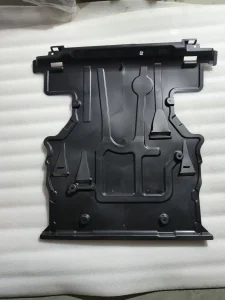
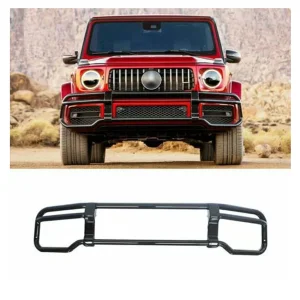
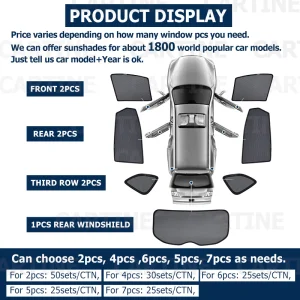
Explore our premium grade materials, exterior body modifications, and customized industrial protective components built for global markets.
Analyzing key global economic drivers, degradation mechanics, and environmental stressors impacting fleet longevity.
The global automotive aftermarket is undergoing a paradigm shift, where protective coatings and physical barriers are no longer considered optional accessories. Driven by high asset costs, extreme meteorological events, and commercial fleet management strategies, vehicle protection systems have evolved into highly engineered, multi-layered fabric solutions. The integration of advanced polymer sciences and localized engineering is transforming how individual owners and global logistics enterprises preserve the structural integrity and aesthetic value of passenger cars, utility trucks, and industrial equipment.
In regions suffering from rapid urbanization, localized hazards such as acid rain, industrial fallout (particulate emissions), and avian nesting residues pose immediate threats to OEM clear coats. Concurrently, high-UV zones like North America, the Middle East, and parts of Australia accelerate photo-oxidative degradation. Without a tailored micro-environmental barrier—such as a custom-fitted car cover—vehicles experience polymer degradation of exterior plastics, yellowing of headlight lenses, and thermal cracking of dashboards. The industrial solution relies on raw chemical development, utilizing heavy-duty polyethylene (PE), thermoplastic polyurethane (TPU), and multi-spanned spunbond polypropylene to mitigate these specific degradation mechanics.
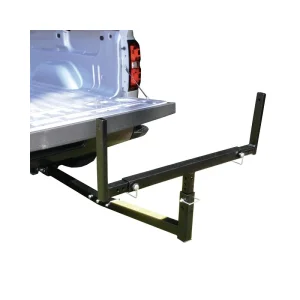
Guangzhou Motix Car Co., Ltd. is a professional automotive accessories manufacturer specializing in pickup truck upgrades and interior protection solutions. With a strong focus on innovation, durability, and user-oriented design, Motix delivers high-quality products tailored to global automotive markets.
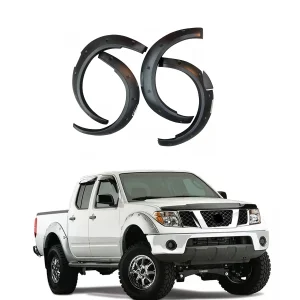
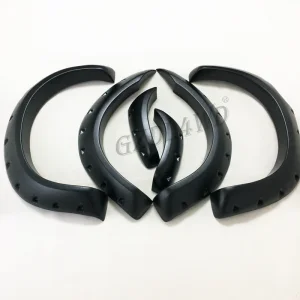
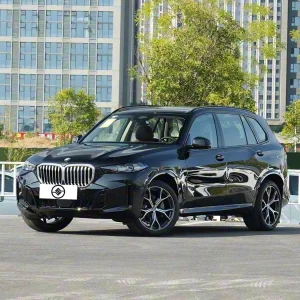
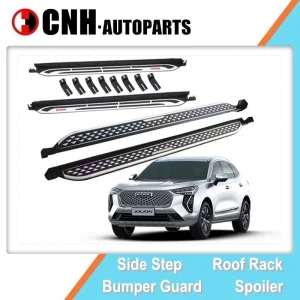
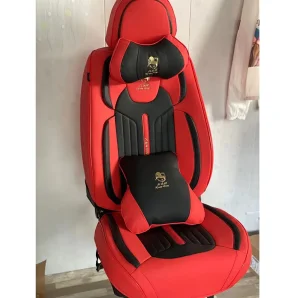
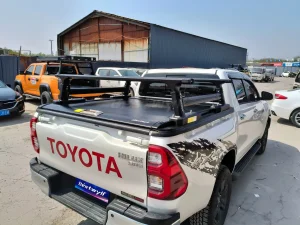
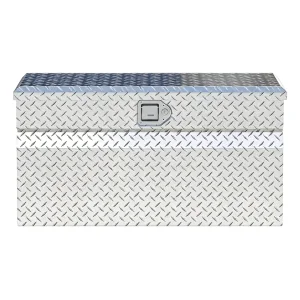
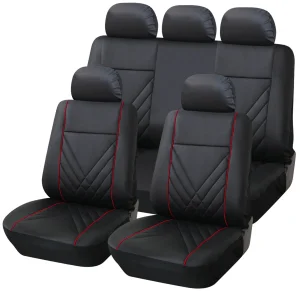
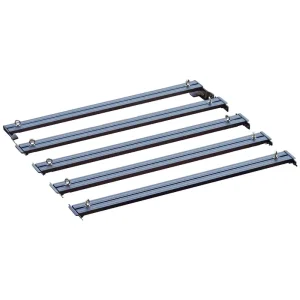
Our product portfolio covers a wide range of solutions, including car floor protection systems, truck bed utility enhancements, cargo management accessories, and exterior upgrade components for pickup trucks. Each product is engineered using premium materials to ensure long-lasting performance, resistance to wear, and adaptability to diverse driving conditions.
Backed by an experienced R&D team and advanced manufacturing facilities, Motix supports both OEM and ODM services, enabling clients to develop customized solutions that meet specific market demands. Strict quality control processes are implemented throughout production to guarantee reliability and consistency.
Motix is committed to enhancing vehicle functionality, comfort, and protection while helping partners stay competitive in the evolving automotive aftermarket industry. With a customer-centric approach, efficient supply capabilities, and a global outlook, Guangzhou Motix Car Co., Ltd. aims to build long-term partnerships and deliver value-driven automotive solutions worldwide.
A data-backed analysis on selecting Tier-1 manufacturing factories based on material science and quality metrics.
| Evaluation Parameter | Tier 1 Standard | OEM Testing Protocol | Failure Risk (Sub-standard) |
|---|---|---|---|
| Fabric Multi-layering | 4 to 7 Bonded Layers | Ultrasonic Bonding Visual & Cross-cut Grid Test | Delamination under direct heat |
| Hydrostatic Pressure | > 2500 mm H2O | AATCC 127 Hydrostatic Pressure Testing | Seepage at stitched seams |
| Breathability (MVTR) | > 800 g/m²/24h | ASTM E96 Water Vapor Transmission | Mildew growth and moisture entrapment |
| UV Color Fastness | Grade 4-5 (1000h Xenon Arc) | AATCC 16.3 Light Resistance Chamber | Fabric brittleness and tearing |
| Tensile Strength | > 600 N (Warp & Weft) | ASTM D5034 Grab Test Method | Ripping under high wind conditions |
When procurement managers look at the "Top 10 Car Covers Manufacturer & Factories," evaluating capacity goes far beyond simple pricing. Sourcing departments must audit standard operational protocols (SOP) across material extrusion, UV compounding, laminating, cut-and-sew, and final functional quality control. For instance, high-end production facilities use cleanroom environments for TPU film lamination to prevent dust trapping, which can cause micro-abrasions on vehicle clear coats.
Deconstructing the chemical composition and design anatomy of modern vehicle protective fabrics.
Utilizes vaporized aluminum molecules bonded to durable PET films. This achieves a highly reflective silver coating capable of bouncing back up to 95% of thermal infrared radiation and direct ultraviolet light, drastically reducing interior cabin temperature.
Thermoplastic Polyurethane membrane layer featuring billions of microscopic pores per square inch. These channels are small enough to block liquid water droplets (rain), yet large enough to allow evaporated water vapor (condensation) to escape easily.
Inner lining consisting of long-staple needle-punched cotton or spunlace non-woven lining. This ensures that even under heavy winds, the friction between the cover and the vehicle’s clear coat does not cause micro-marring or swirl patterns.
From large-scale logistics fleets to multi-national dealership networks, the deployment of industrial vehicle covers serves as a critical asset protection measure. Companies operating massive vehicle yards—such as port logistics terminals, car manufacturers, and rental car compounds—often experience significant losses due to prolonged environmental exposure. Acid rain, bird droppings, ocean salinity, and dust storms can quickly ruin fresh paintwork, resulting in costly reconditioning processes before the vehicles can be delivered to the end-user.
To address these challenges, manufacturers provide specialized fleet-grade covers that incorporate quick-installation straps, robust windproof buckles, and reinforced security grommets. These designs allow security teams to deploy and secure the covers in under two minutes, saving labor costs. In industrial setups, heavy-duty utility covers also protect specialized machinery, defense assets, and municipal maintenance vehicles, extending their working life and reducing overall maintenance overhead.
Exploring the next generation of smart protection materials, IoT integrations, and sustainability goals.
Integration of flexible temperature, humidity, and chemical sensors woven into the fabric lining. Real-time data is sent to fleet operators' mobile apps, highlighting early signs of moisture build-up or unauthorized removal attempts.
Transitioning from traditional petroleum-based polymers to bio-based TPU and PLA (Polylactic Acid) fabrics. This reduces the carbon footprint during production and allows the cover to decompose safely at the end of its life cycle.
Micro-encapsulated polymers embedded within the outer protective layer. When scratched or punctured, heat from sunlight triggers the release of a healing agent, sealing minor surface cuts and maintaining waterproofing.
Ensuring global operations align with environmental standards, shipping regulations, and regional compliance frameworks.
For international buyers looking to source from the "Top 10 Car Covers Manufacturer & Factories," compliance with local laws is non-negotiable. European markets require full adherence to REACH (Registration, Evaluation, Authorisation and Restriction of Chemicals) guidelines to guarantee that no harmful plasticizers or azo dyes are present in the fabrics. In North America, manufacturers must meet flame retardant standards such as CPAI-84 and UV-aging certifications from agencies like ASTM.
Leading factories like Guangzhou Motix Car Co., Ltd. address these challenges by offering end-to-end certification support, including ISO 9001:2015 quality management audits, raw material testing sheets, and customized packaging solutions. This thorough documentation minimizes port clearance issues and guarantees that retail brands can market their protective solutions with complete confidence in their safety and quality.
Get answers to common technical queries about material longevity, ordering logistics, and product customization.
For regions with intense heat and high UV exposure, a multi-layer cover with an outer aluminized or highly reflective silver PET layer is recommended. This layer bounces back thermal infrared radiation, while an inner, heat-resistant cotton lining keeps the vehicle’s clear coat safe from overheating and sticking.
Moisture accumulation is resolved by incorporating a microporous middle layer, such as a breathable TPU membrane, alongside physical ventilation vents. This setup prevents external water droplets from passing through while allowing evaporated moisture trapped under the cover to escape easily.
Yes, Guangzhou Motix Car Co., Ltd. provides comprehensive OEM/ODM services. This includes custom fabric options, custom-tailored sizing for specific vehicle models, personalized logo printing, and customized retail packaging designs tailored to your brand identity.
High-quality covers are designed with heavy-duty elasticized hems, under-body clip straps, and built-in grommets for cable locks. They undergo wind tunnel simulation testing to ensure they remain securely in place during storms without flapping, which can scratch the vehicle's paintwork.
The lifespan depends heavily on environmental conditions and material quality. Standard covers last 1 to 2 years, while high-performance multi-layer covers engineered with advanced UV stabilizers (such as those from premium factories) can last 3 to 5 years under continuous outdoor exposure.
Explore our full range of vehicle protection covers, storage utility upgrades, and exterior body accessories.
 Motix Car