Explore our industrial-grade automotive enhancements designed for optimal utility, structural protection, and engine compartment integrity.
The global automotive supply chain is undergoing its most significant transformation since the invention of the assembly line. Modern internal combustion engines (ICE), plug-in hybrids (PHEV), and pure electric vehicle (EV) drive units require components manufactured to tolerances measured in microns. From cylinder heads and fuel rail systems to structural brackets and complex under-hood thermal shields, global OEMs demand raw material excellence, lightweighting, and long-term durability.
With emission standards tightening globally (such as Euro 7 and China VI-b), engine components manufacturers must focus on technologies that reduce friction, manage heat efficiently, and decrease overall vehicle weight. Under-hood and engine bay engineering are not isolated; they require advanced integration with the vehicle’s aerodynamics and cooling networks. Structural subframes, engine hood mounts, and specialized protective shields directly affect dynamic performance, thermal dissipation, and safety system compliance.
China has solidified its position as the primary cluster for global automotive part manufacturing. The advantage extends beyond cost competitiveness to include deep supply-chain integration, rapid tooling prototyping, and advanced engineering capabilities. Industrial regions in Guangdong and Zhejiang offer end-to-end component sourcing, from raw steel and aluminum alloy processing to surface treatments, high-pressure die casting, and electronics integration.
Chinese manufacturers have shifted up the value chain from basic manufacturing to high-tech co-development. Utilizing advanced simulations (such as Finite Element Analysis - FEA and Computational Fluid Dynamics - CFD), engineering teams collaborate with overseas Tier-1 suppliers to refine components before volume manufacturing begins. This reduces development times from months to weeks, allowing global automotive distributors to rapidly adapt to market demand shifts.
Understanding the material sciences and manufacturing processes that define the structural elements of modern engine compartment components.
Leveraging high-pressure die casting (HPDC) and gravity casting using customized 6061-T6 and 7075 aluminum variants to manufacture lightweight engine housings and mounting structural components.
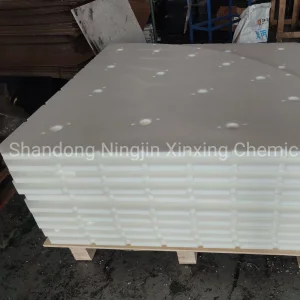
Specialized application of high-density polymers, including UHMWPE and composite materials, to build impact-resistant panels, inner fender linings, and structural engine compartment buffers.
Multi-stage electrodeposition, anodization, and specialized anti-corrosive powder coatings that ensure parts withstand chemical exposure, engine heat, and road debris impact.
When sourcing engine components and structural accessories from Chinese manufacturers, procurement directors must look beyond price points to evaluate long-term Total Cost of Ownership (TCO). Critical variables include material quality verification, lead-time reliability, raw material price stability, and manufacturing compliance.
High-performance automotive components must be accompanied by verified material certificates, such as Mill Test Certificates (MTC) indicating chemical composition and mechanical properties. Sourcing companies must verify that the aluminum alloys or structural plastics match international standards (like ASTM, DIN, or JIS). Random independent lab tests (SGS or TÜV) are recommended to confirm yield strength, tensile strength, and hardness limits.
A reputable engine components manufacturer must operate under the IATF 16949 standard, which is the global quality management system standard for the automotive industry. It demands continuous improvement, defect prevention, and the reduction of variation and waste in the supply chain. Prioritize factories that implement Advanced Product Quality Planning (APQP), Production Part Approval Process (PPAP), and Failure Mode and Effects Analysis (FMEA).
Automotive production relies on tight timelines. An interruption in the supply of even minor mounting or exterior components can disrupt assembly lines. Buyers should check the proximity of the manufacturer to major logistics hubs. For example, factories situated in Guangzhou have access to deepwater ports (such as Nansha) and major air freight networks, streamlining shipping to the Americas, Europe, and Australia.
Partnering with global clients to supply high-quality automotive protection, structural upgrades, and specialized engine compartment systems.
Guangzhou Motix Car Co., Ltd. is a professional automotive accessories manufacturer specializing in pickup truck upgrades and interior protection solutions. With a strong focus on innovation, durability, and user-oriented design, Motix delivers high-quality products tailored to global automotive markets.
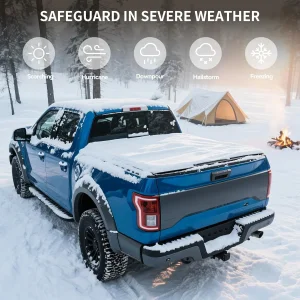
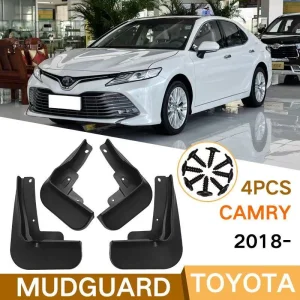
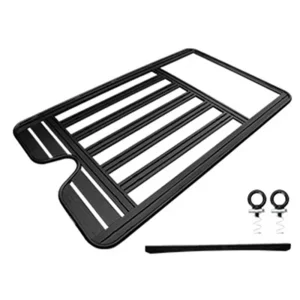
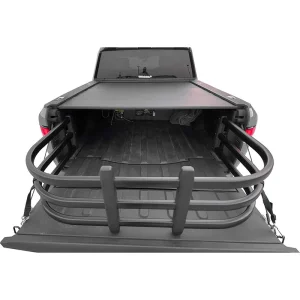
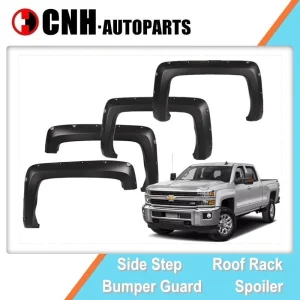
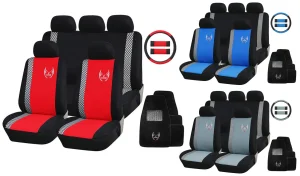
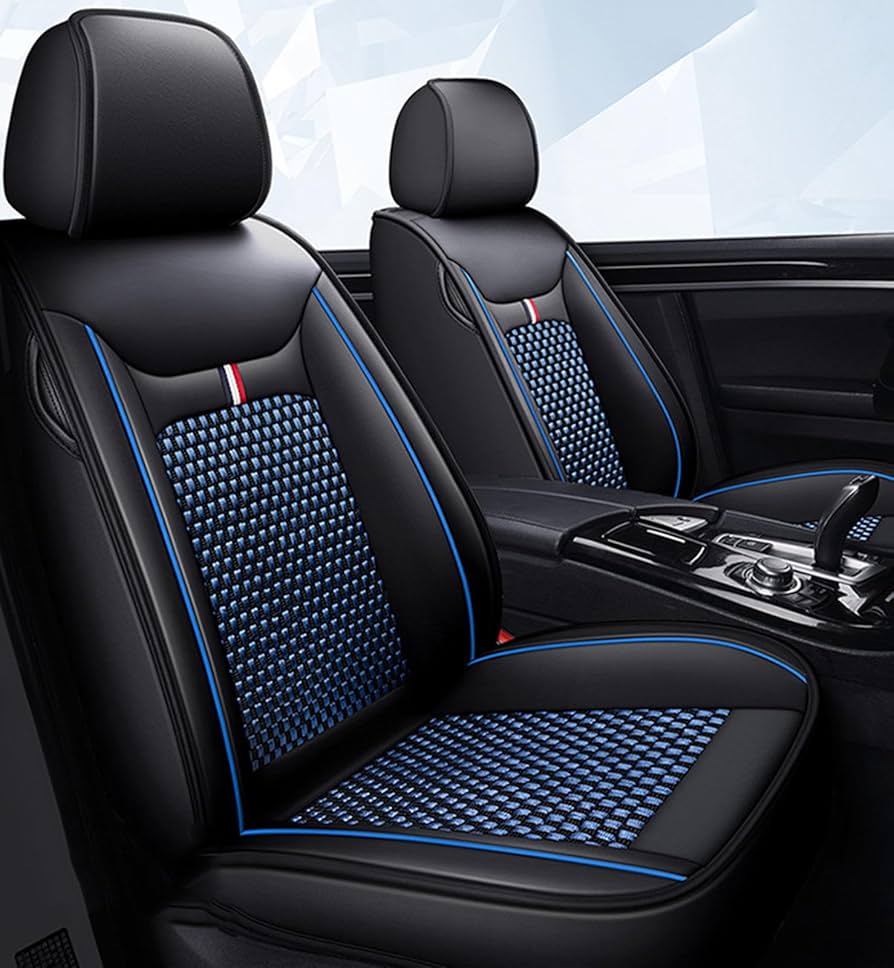
Our product portfolio covers a wide range of solutions, including car floor protection systems, truck bed utility enhancements, cargo management accessories, and exterior upgrade components for pickup trucks. Each product is engineered using premium materials to ensure long-lasting performance, resistance to wear, and adaptability to diverse driving conditions.
Backed by an experienced R&D team and advanced manufacturing facilities, Motix supports both OEM and ODM services, enabling clients to develop customized solutions that meet specific market demands. Strict quality control processes are implemented throughout production to guarantee reliability and consistency.
Motix is committed to enhancing vehicle functionality, comfort, and protection while helping partners stay competitive in the evolving automotive aftermarket industry. With a customer-centric approach, efficient supply capabilities, and a global outlook, Guangzhou Motix Car Co., Ltd. aims to build long-term partnerships and deliver value-driven automotive solutions worldwide.
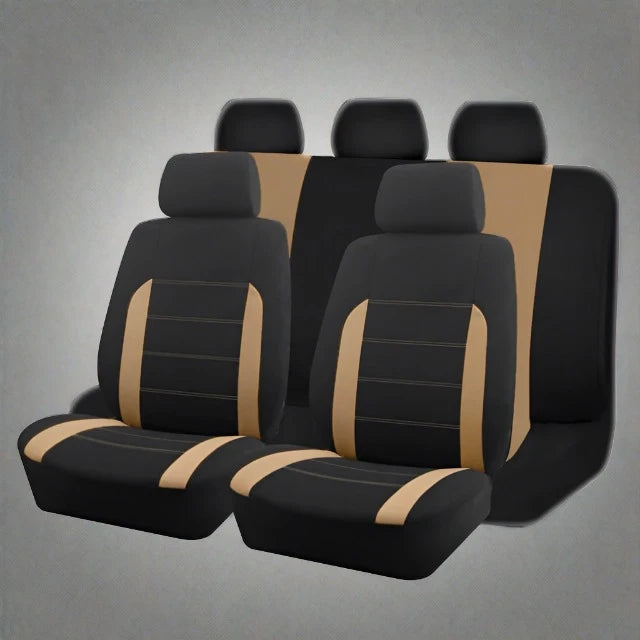
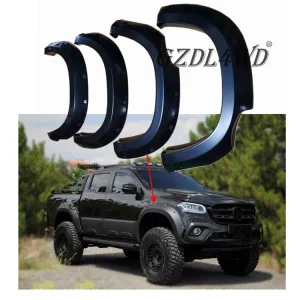
Whether you require specific structural tolerances for truck bed attachments, aerodynamic upgrades for high-end pickup truck panels, or optimized protective liners, our engineers apply advanced molding techniques to achieve structural compliance. By integrating OEM automotive blueprints with high-tensile materials, we deliver components that handle daily environmental stresses, thermal changes, and mechanical impact.
Through our dedicated ODM channel, overseas distributors can submit target metrics, and our CAD/CAM engineers will generate virtual assemblies and prototypes within 14 business days, speeding up your time-to-market.
To remain competitive, global buyers and manufacturers must align with key industry directions:
Expert answers to critical technical questions asked by auto parts importers, distributors, and OEM buyers.
Automotive components must be manufactured under IATF 16949:2016 quality management parameters. For mechanical structures and exterior upgrades, check for ASTM specifications (for aluminum alloys and steel tensile strengths) and ISO 9001. Chemical compliance certification like RoHS or REACH is necessary when importing structural plastics (e.g., UHMWPE or ABS liners) into European markets.
Motix provides comprehensive design-to-delivery OEM and ODM services. Our process begins with digital CAD/CAM file exchange or reverse-engineering from scanning a physical vehicle body. We develop prototypes using rapid CNC milling and 3D mockups. After test verification and tool creation, we transition to production-stage manufacturing and PPAP validation.
Aluminum alloys (especially structural T6 grades) offer high strength-to-weight ratios. They reduce vehicle curb weight, which lowers engine load, improves fuel economy, and reduces emissions, while maintaining structural safety. Aluminum also forms a natural oxide layer that protects against corrosion without requiring heavy rust-prevention coatings.
For existing designs with established tooling, manufacturing cycles range between 20 to 30 days depending on volume. If new tooling or custom stamping dies are required, the design, testing, and production phases take an additional 30 to 45 days. Production schedules are coordinated to align with ocean transport and avoid shipping delays.
Materials such as UHMWPE, HDPE, and ABS are stabilized with UV-resistant additives during extrusion or injection molding. This prevents degradation, cracking, and fading from sunlight exposure. Parts undergo accelerated weathering tests, such as thermal cycling from -40°C to +80°C, to ensure they remain stable in varying climates.
Browse our catalog of engineered cargo management, structural reinforcements, and custom vehicle protection products.
 Motix Car