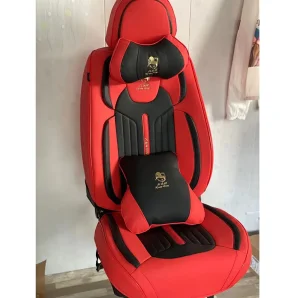
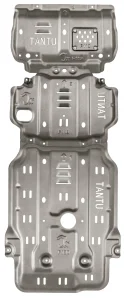
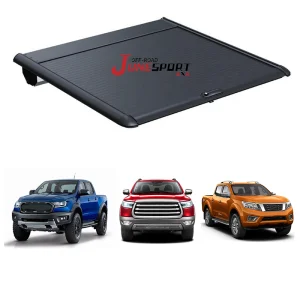
The global automotive market is witnessing an unprecedented convergence of digital intelligence and structural resilience. Modern fleets and consumer passenger vehicles demand robust hardware paired with ultra-reliable, high-precision connectivity. As a pioneer in Tier-1 automotive systems, Guangzhou Motix Car Co., Ltd. has established a formidable presence in engineering complex structural solutions, customized utility components, and advanced electronic interfaces.
By integrating professional OEM/ODM GPS navigation systems, dynamic cockpit instrumentation, and premium vehicle defense architectures, Motix offers automotive manufacturers and enterprise fleet operations a single point of engineering accountability. Our specialized capabilities enable partners to execute comprehensive cabin upgrades, from customized carbon-fiber instrumentation frames and precision-fitted interior protections to rugged underbody shielding and fully connected navigation hubs.
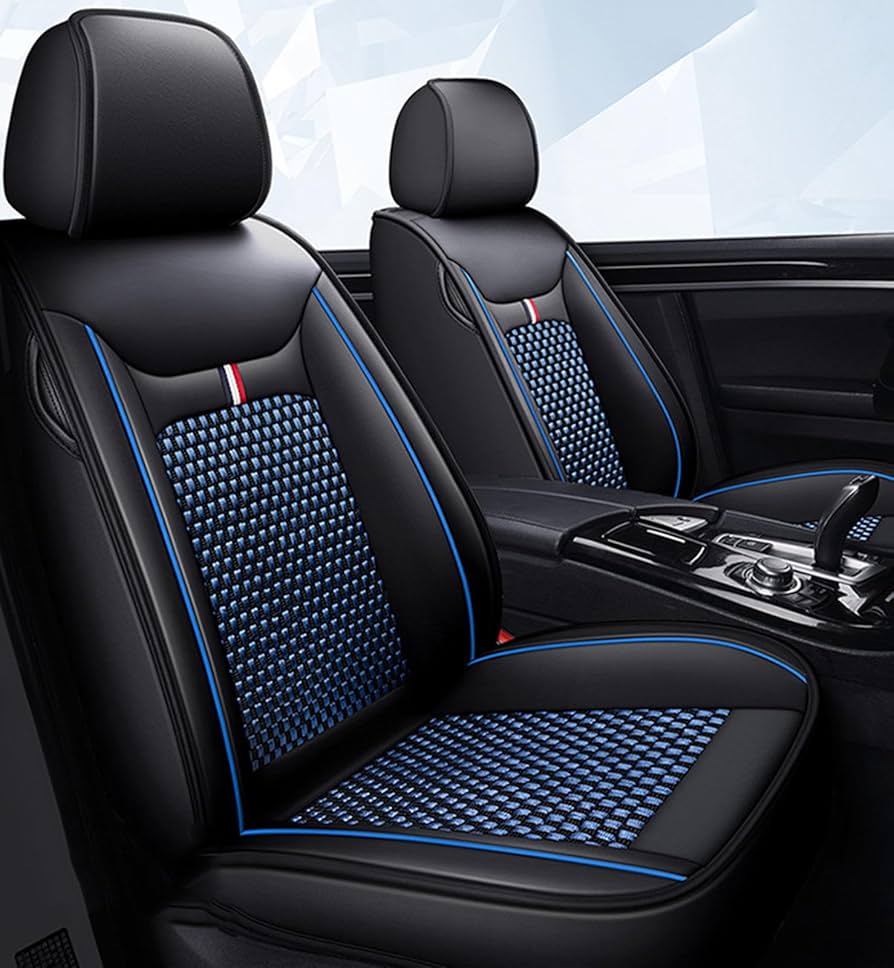
To ensure complete alignment with automotive quality standards (IATF 16949), our customized hardware and software designs undergo exhaustive testing under extreme environmental and vibrational stresses. Below is the technical blueprint that drives our smart OEM/ODM navigational integration.
Dual-frequency RTK engine supporting GPS, GLONASS, Galileo, and BeiDou simultaneously. Achieves sub-meter positional accuracy in dense urban environments and mountainous terrains.
Seamless communication interface supporting J1939 protocols, enabling real-time telemetry extraction, tire pressure tracking, temperature monitoring, and vehicle diagnostics reporting.
Engineered to operate reliably within a -40°C to +85°C window. Advanced heat dispersion chassis paired with anti-vibration structural brackets prevents system failure during rough terrain transit.
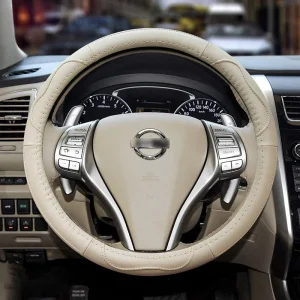
To design hardware architectures capable of meeting modern fleet management objectives, our engineering framework treats the vehicle as a unified ecosystem. The structural elements of a pickup or passenger car, such as underbody skid guards, fender flares, and dashboard covers, act as the physical protection network. Inside, our embedded system designs function as the computational core.

Our R&D team and production facilities enable Guangzhou Motix Car Co., Ltd. to support deep customization requests for both physical components and intelligent navigational hardware. While traditional aftermarket providers offer off-the-shelf dashboards and generic navigation systems that compromise cabin lines and lack essential vehicle bus compatibility, our engineers build tailored systems.
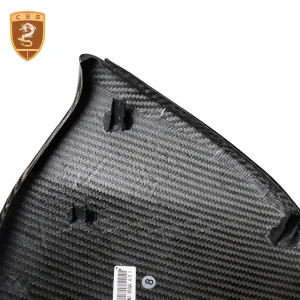
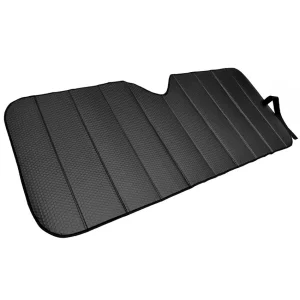
This encompasses custom-molded console integrations utilizing dry carbon-fiber dashboard covers, ensuring a precision fit with advanced high-definition display panels. We also integrate RF-shielded antennas inside the vehicle's frame structure, preventing multi-path interference from aftermarket windshield sunshades or exterior accessories while optimizing global positioning accuracy.
A side-by-side technical comparison details why B2B procurement managers select Motix OEM/ODM hardware over consumer-grade navigation equipment.
| Feature Parameter | Consumer-Grade Standalone GPS | Motix OEM/ODM Automotive-Grade System | Operational Impact |
|---|---|---|---|
| Operating Temperature | -10°C to +60°C | -40°C to +85°C (AEC-Q100 Compliant) | Ensures functionality in extreme desert or arctic conditions. |
| GNSS Positioning | Single-band GPS (3-5m accuracy) | Multi-constellation Dual-band RTK (Sub-meter accuracy) | Precise route guidance in urban canyons and multi-level flyovers. |
| Bus Integration | None (Standalone USB power) | Dual-channel CAN/LIN-Bus, OBD-II readouts | Direct monitoring of engine RPM, fuel level, and tire pressures. |
| Enclosure & Safety | Standard ABS Plastic, no shock protection | Alloy chassis with integrated anti-vibration damping | Survives prolonged off-road and high-impact conditions. |
| Data Privacy & OS | Standard Commercial OS with data monetization | Customized Android Automotive OS / Linux (Encrypted storage) | Ensures data compliance (GDPR/CCPA) for secure fleet logistics. |
As automated vehicle systems and ADAS (Advanced Driver Assistance Systems) become standard, the role of the traditional GPS navigator has changed. It is no longer just a digital map display; it functions as the coordinate engine for smart driving decisions. Enterprise purchasers look for systems that link real-time position reporting, localized hazard telemetry, and mechanical status logs to automated command hubs.
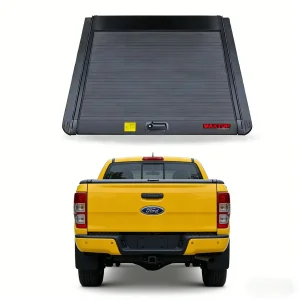
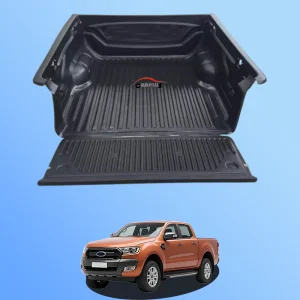
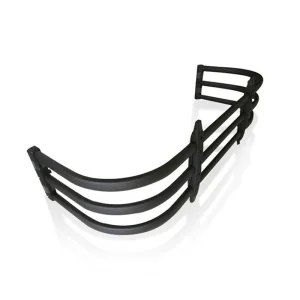
Our integration strategy focuses on this synergy. For example, when equipping off-road utility fleets, we pair our high-strength underbody engine skid plates and truck bed utility enhancements with connected telematics devices. This combination protects the vehicle's physical driveline from rock impacts while the navigation module monitors chassis vibration and suspension travel. If an impact occurs, the system logs the exact coordinates via the telemetry system, allowing operations managers to assess physical risk alongside geographical assets.
Additionally, our R&D roadmap focuses on V2X (Vehicle-to-Everything) communication frameworks. By embedding secure 5G and C-V2X transceivers directly into the GPS system, vehicles can communicate with roadway infrastructure, detect approaching emergency response vehicles, and receive pre-emptive warning data. This reduces downtime and enhances operator safety.
We manage international regulatory frameworks directly. Every navigation platform and electrical system engineered by Guangzhou Motix Car Co., Ltd. complies with global standards.
Our hardware is certified for electromagnetic compatibility, ensuring zero RF interference with existing vehicle safety networks (ADAS, ABS, Airbags). We comply with the CE RED directive in Europe, FCC standards in North America, and carry e-Mark certification for European roadworthiness.
Recognizing that fleet location data is highly sensitive, we construct firmware configurations that align with GDPR, CCPA, and regional localizations. We support direct server target configuration, meaning telemetry and tracking data are routing to your dedicated private enterprise server, bypassing third-party middleware risks.
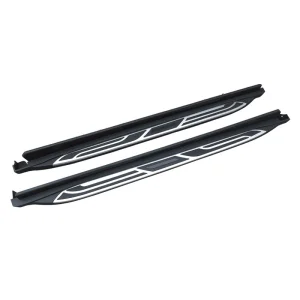
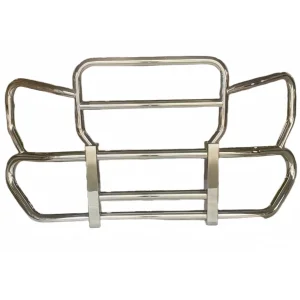

 Motix Car